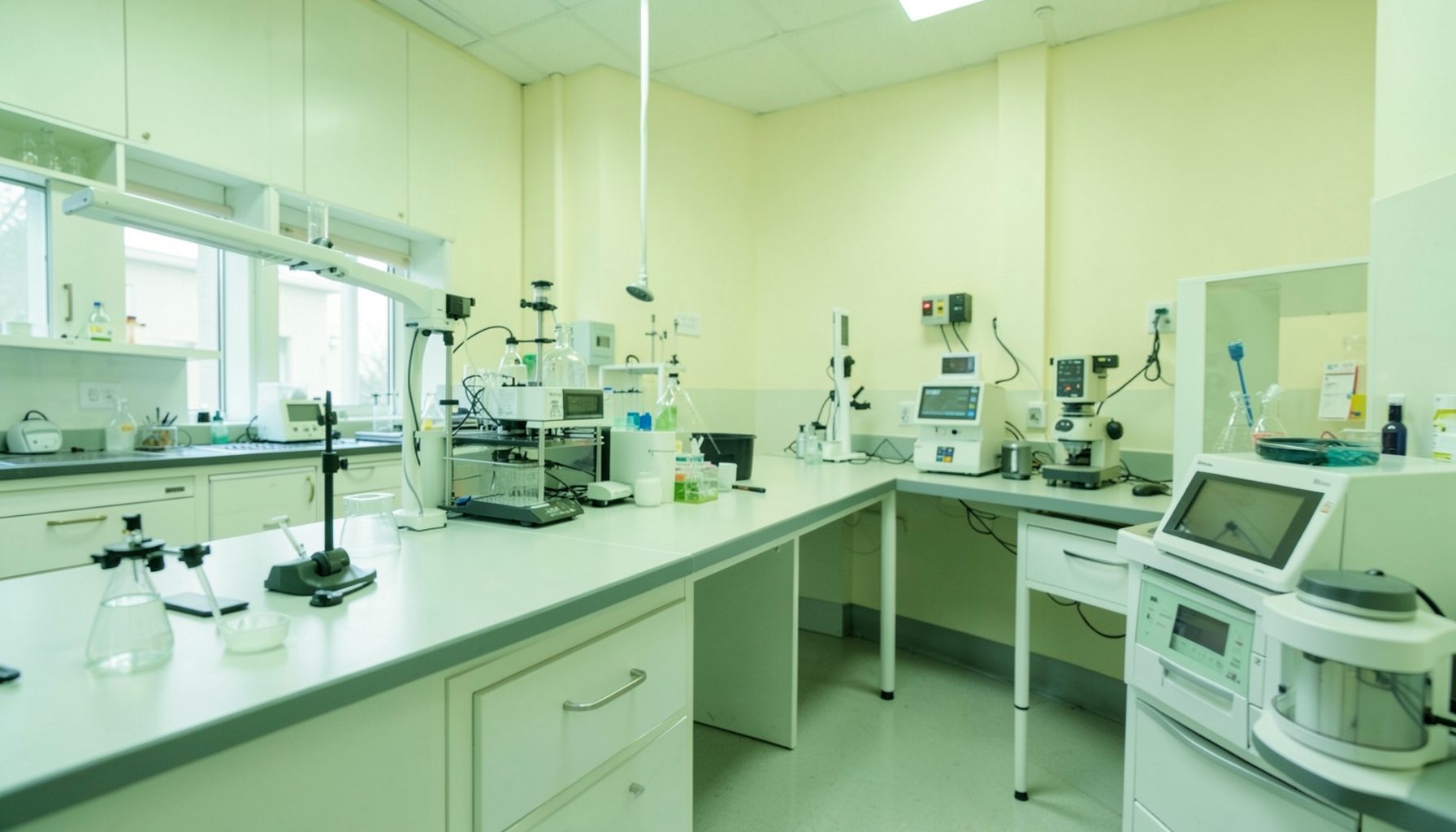
Introducing a new tuberculosis testing method can improve diagnostic access, shorten turnaround times, or detect drug resistance more effectively. It can also…
Guides
A tuberculosis laboratory depends on consistent decisions, safe practices, and reliable technical performance. Training, therefore, cannot be treated as a…
High ambient temperatures can make reagent storage difficult for tuberculosis laboratories, particularly where rooms are poorly ventilated, electricity is…
A tuberculosis laboratory incident can involve a biosafety exposure, specimen identification error, equipment failure, delayed reporting, contamination, or an…
Quality improvement in a tuberculosis laboratory is often presented as a technical or compliance exercise, yet every change uses scarce resources. A new…
A written protocol for TB laboratory waste decontamination turns a potentially hazardous task into a controlled, repeatable process. It should tell staff what…
Reliable tuberculosis testing depends on more than sensitive instruments and validated methods. A laboratory must also know whether bacteria, samples,…
A tuberculosis laboratory’s quality management system depends on more than policies, forms, and technical procedures. It depends on managers who can set…
Culture remains essential for confirming tuberculosis, identifying drug resistance, and supporting treatment decisions, yet district laboratories often face…
A strong laboratory improvement plan turns quality management from a broad ambition into a sequence of practical decisions. For tuberculosis (TB) laboratories,…