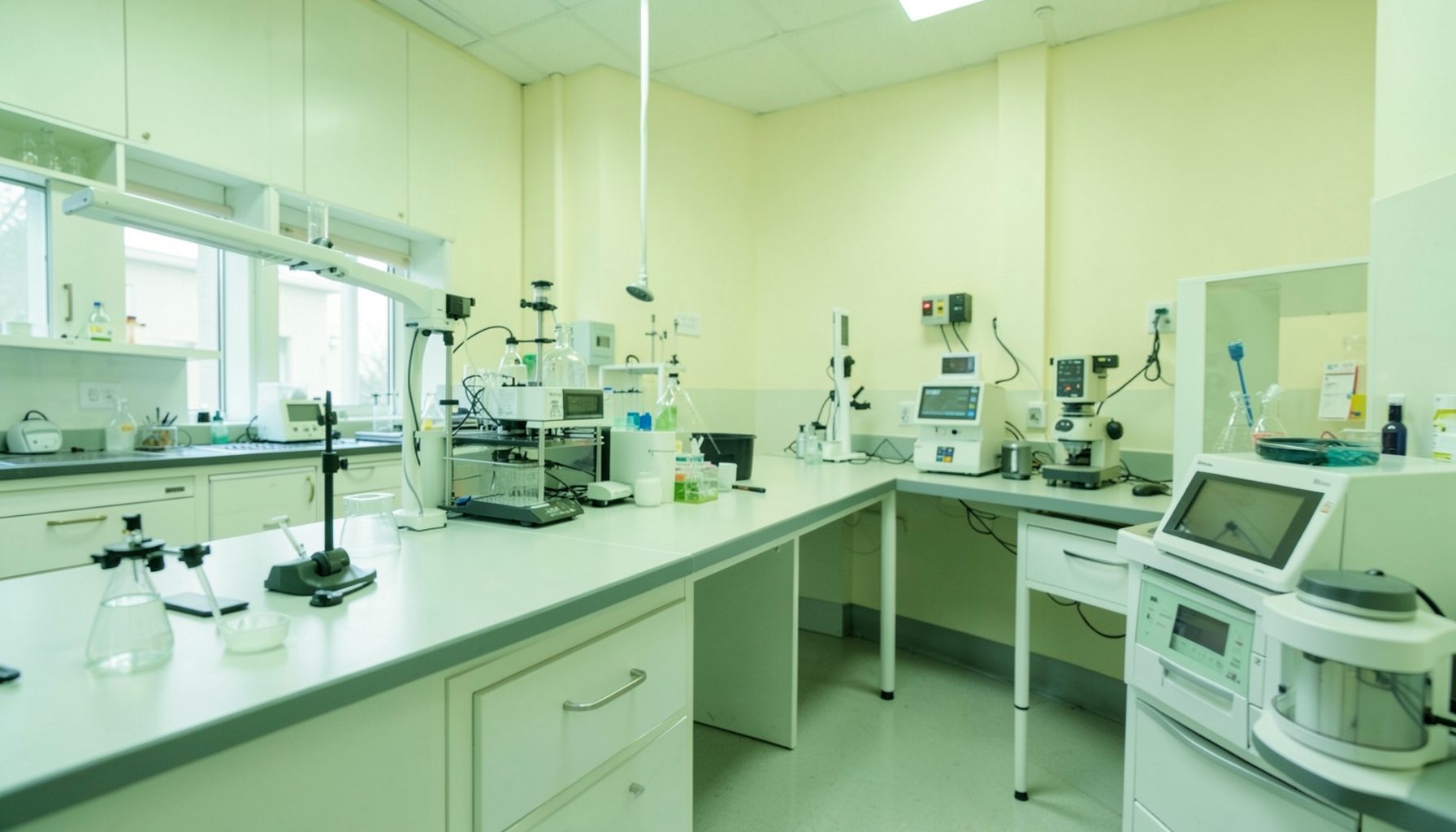
A stained smear quality assurance program helps tuberculosis laboratories produce microscopy results that are accurate, reproducible, timely, and safe.…
Guides
Tuberculosis laboratories must adapt as diagnostic methods, instruments, reagents, reporting requirements, and clinical priorities evolve. A revised test…
A laboratory assessment tool for a tuberculosis microscopy network must do more than measure whether individual sites meet technical requirements. It should…
A biosafety cabinet (BSC) is a critical engineering control in tuberculosis laboratories. When correctly selected, installed, operated, and maintained, it…
Quality interventions in tuberculosis laboratories are intended to produce reliable, timely, safe, and clinically useful results. Yet completing a new…
Retreatment cases require especially dependable specimen records. A patient may have received previous therapy, changed facilities, produced several sputum…
A tuberculosis laboratory rarely has enough staff, money, equipment, or time to correct every finding at once. An audit may identify gaps in biosafety,…
A tuberculosis laboratory depends on people who understand exactly what they are responsible for, what decisions they may make, and when they must seek help. A…
External quality assessment (EQA) is a central way for tuberculosis laboratories to verify testing accuracy, compare performance with peers, and identify…
Reliable tuberculosis testing depends on equipment that performs consistently from one shift to the next. A centrifuge with an unusual vibration, a…