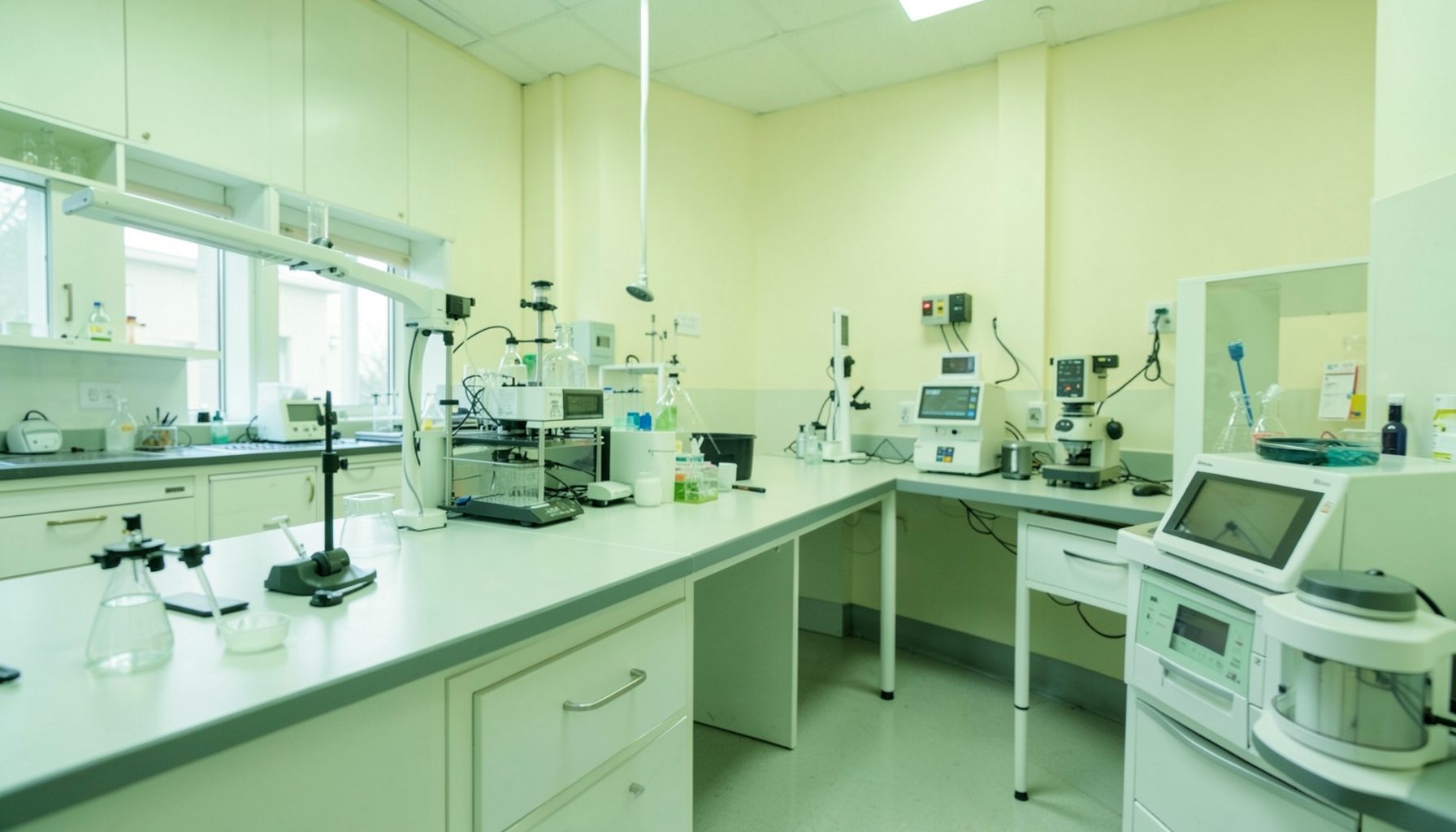
Tuberculosis laboratories handle specimens, cultures, contaminated consumables, and other materials that may contain viable Mycobacterium tuberculosis complex.…
Guides
Reliable specimen identification is essential in tuberculosis diagnostics. A misplaced sputum container, unreadable label, or mismatched result can delay…
Solid culture remains an important part of tuberculosis laboratory work, especially where molecular testing is limited, unavailable, or used alongside culture…
Reliable equipment is central to accurate tuberculosis testing. Microscopes, biosafety cabinets, centrifuges, incubators, GeneXpert instruments, refrigerators,…
A centrifuge is central to many tuberculosis laboratory workflows, including specimen concentration, sediment preparation, and processing before microscopy or…
A time-motion study shows how laboratory staff, samples, information, and equipment move through a tuberculosis testing workflow. By recording the time spent…
Accurate tuberculosis diagnosis depends on more than a sensitive test or a well-maintained instrument. Every result begins with the correct patient, the…
A training record for tuberculosis laboratory biosafety should do more than document attendance. It should show which tasks a worker has learned, how…
Tuberculosis laboratories depend on a steady supply of reagents, cartridges, collection materials, personal protective equipment, and other consumables. A…
Proficiency testing (PT) gives tuberculosis laboratories an external measure of technical performance. By examining how accurately a laboratory detects,…