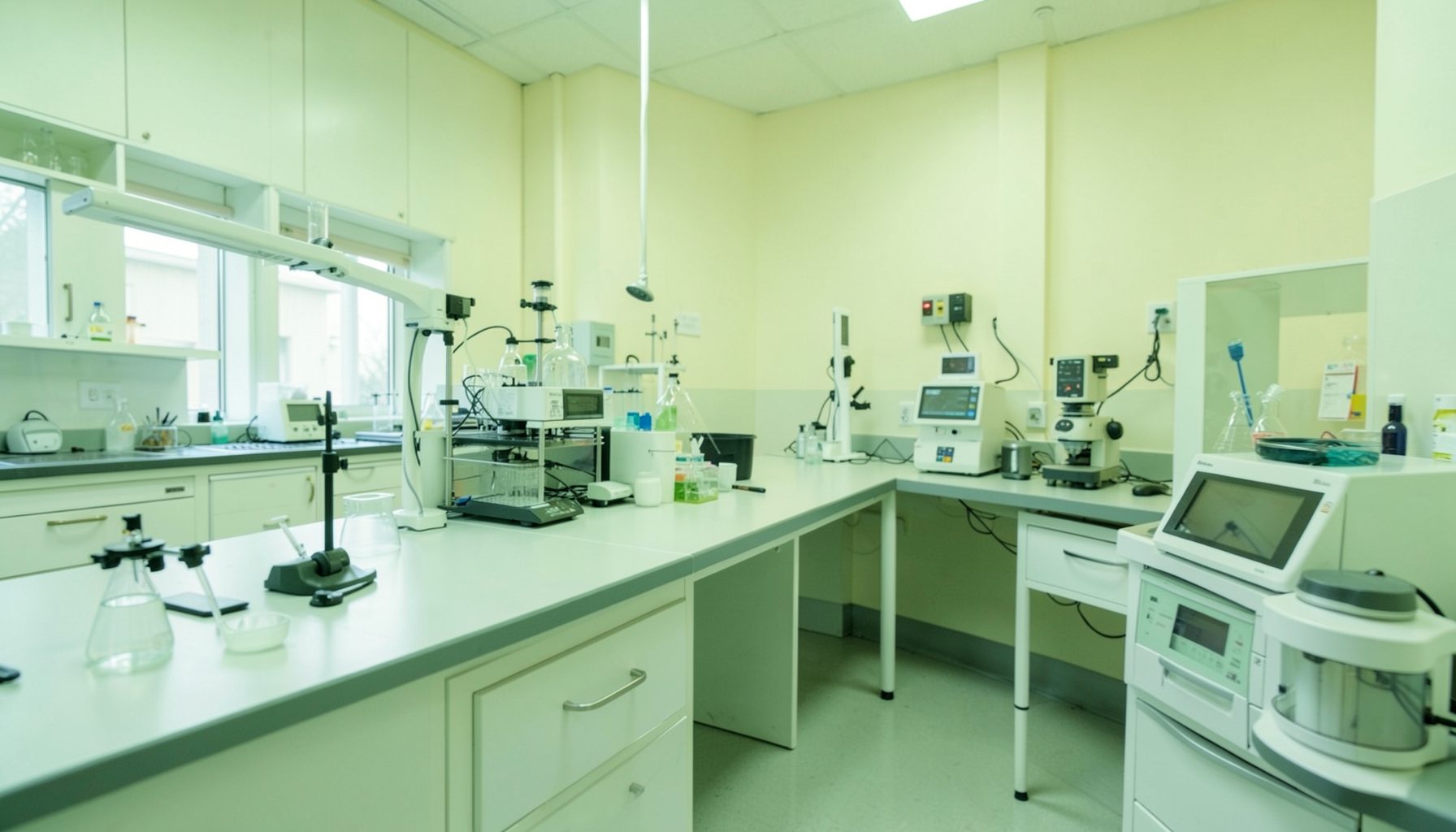
A new autoclave is a critical control in a tuberculosis laboratory. It may be used to treat contaminated culture materials, reusable items, laboratory waste,…
Guides
A well-written tuberculosis laboratory procedure makes reagent preparation consistent, traceable and safe, whether the work is performed in a metropolitan…
Automated readers can improve consistency in tuberculosis testing, but their results still require documented evidence that the system performs as intended in…
A sputum smear that shows acid-fast bacilli can be an urgent laboratory finding. It may indicate infectious pulmonary tuberculosis and can affect isolation,…
A well-designed archive allows a tuberculosis laboratory to preserve culture isolates, locate them quickly, and document every movement from receipt to final…
When a spill, exposure event, or specimen mix-up occurs inside a tuberculosis laboratory, the science of containment testing matters, yet the way the event is…
A well-written protocol for anonymous external quality assessment (EQA) is more than a procedural formality; it is the backbone of credibility for any…
The transition from conventional smear microscopy to nucleic acid amplification testing has reshaped tuberculosis diagnostics, and laboratories across…
A monthly quality indicator dashboard is one of the most practical tools a tuberculosis laboratory manager can build. It brings together the most important…
Every tuberculosis laboratory eventually faces the quiet question of whether the culture media it prepares is genuinely free from contamination before patient…