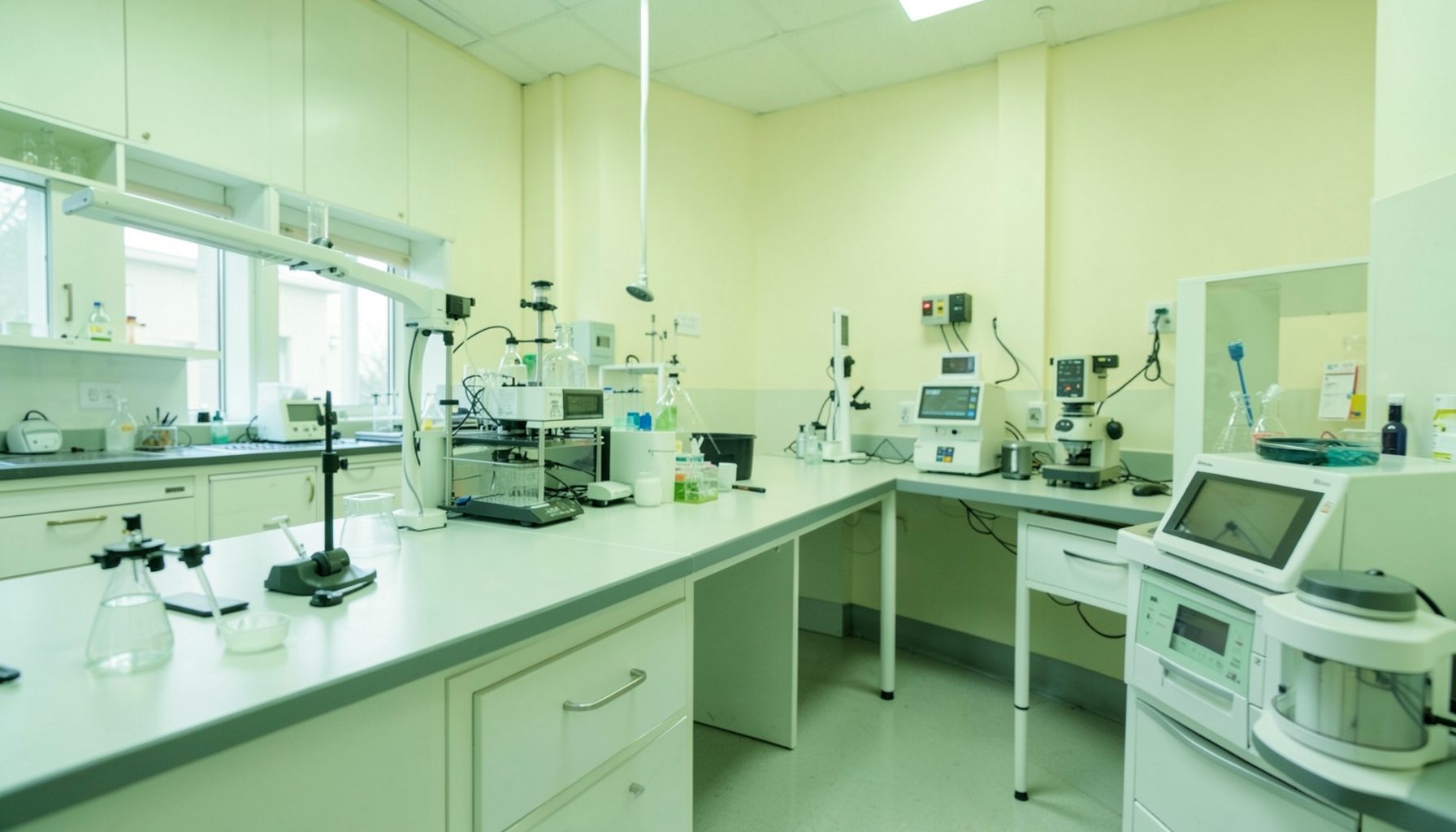
A tuberculosis laboratory handles materials that may contain Mycobacterium tuberculosis, including sputum, other clinical specimens, culture media,…
Guides
Accurate tuberculosis microscopy depends on more than a well-functioning microscope and a supply of stained slides. Results are shaped by specimen quality,…
A WHO SLMTA assessment examines whether a tuberculosis laboratory has a functioning quality management system, not merely a collection of written procedures.…
A gap analysis helps a tuberculosis laboratory compare its current practices with the requirements of a reliable quality management system. It reveals where…
A reliable document control system gives tuberculosis laboratories a consistent way to create, approve, distribute, revise, and retire policies. It ensures…
A tuberculosis laboratory quality management system begins with a clear understanding of current practice. Before a laboratory starts phase one of the GLI…
Molecular testing has transformed tuberculosis diagnosis by detecting Mycobacterium tuberculosis complex and identifying important drug-resistance markers…
GeneXpert testing has made rapid tuberculosis detection more accessible in laboratories that previously depended on slower smear microscopy and culture…
A laboratory information system (LIS) can turn tuberculosis testing records into reliable, timely information for clinical care, surveillance, quality…
Reliable records are the evidence that a tuberculosis laboratory’s work was performed correctly, safely, and consistently. In culture and drug susceptibility…