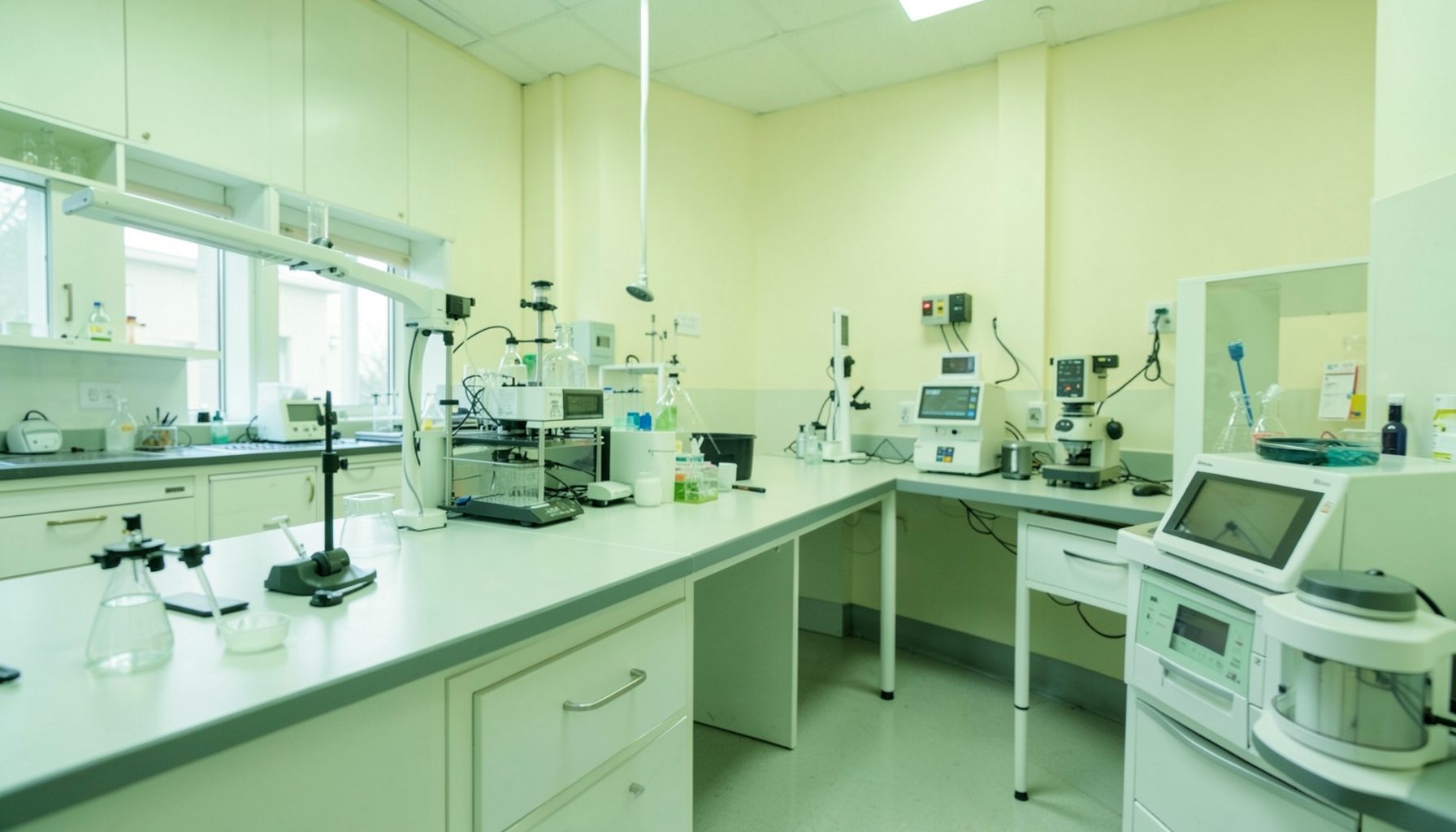
Electronic records are central to modern tuberculosis testing. A laboratory may rely on a laboratory information system, instrument middleware, shared drives,…
Guides
A reliable document control process helps tuberculosis laboratories keep methods, forms, worksheets and safety instructions accurate when work changes. In a TB…
A tuberculosis laboratory gap analysis is a structured comparison between current practice and the quality requirements needed for safe, reliable, timely TB…
A spill involving Mycobacterium tuberculosis culture, clinical material, or contaminated laboratory equipment requires a calm, controlled response. The…
A clear record retention schedule helps a tuberculosis laboratory keep the evidence it needs, remove material it no longer needs, and find critical information…
A monthly quality report turns routine laboratory data into a manageable view of performance, risk and improvement. For a tuberculosis service, the document…
A barcode system can make tuberculosis (TB) specimen tracking faster, safer, and easier to audit. When every sputum, gastric aspirate, tissue sample, or…
A tuberculosis laboratory needs a chemical hygiene plan that is practical, current and connected to the work people perform each day. The plan should control…
A training matrix gives a tuberculosis laboratory a clear view of who is authorised to perform each task, which competencies have been demonstrated, and where…
Writing a protocol for TB lab specimen rejection criteria and documentation gives staff a shared method for deciding when a sample is unsuitable, unsafe or…