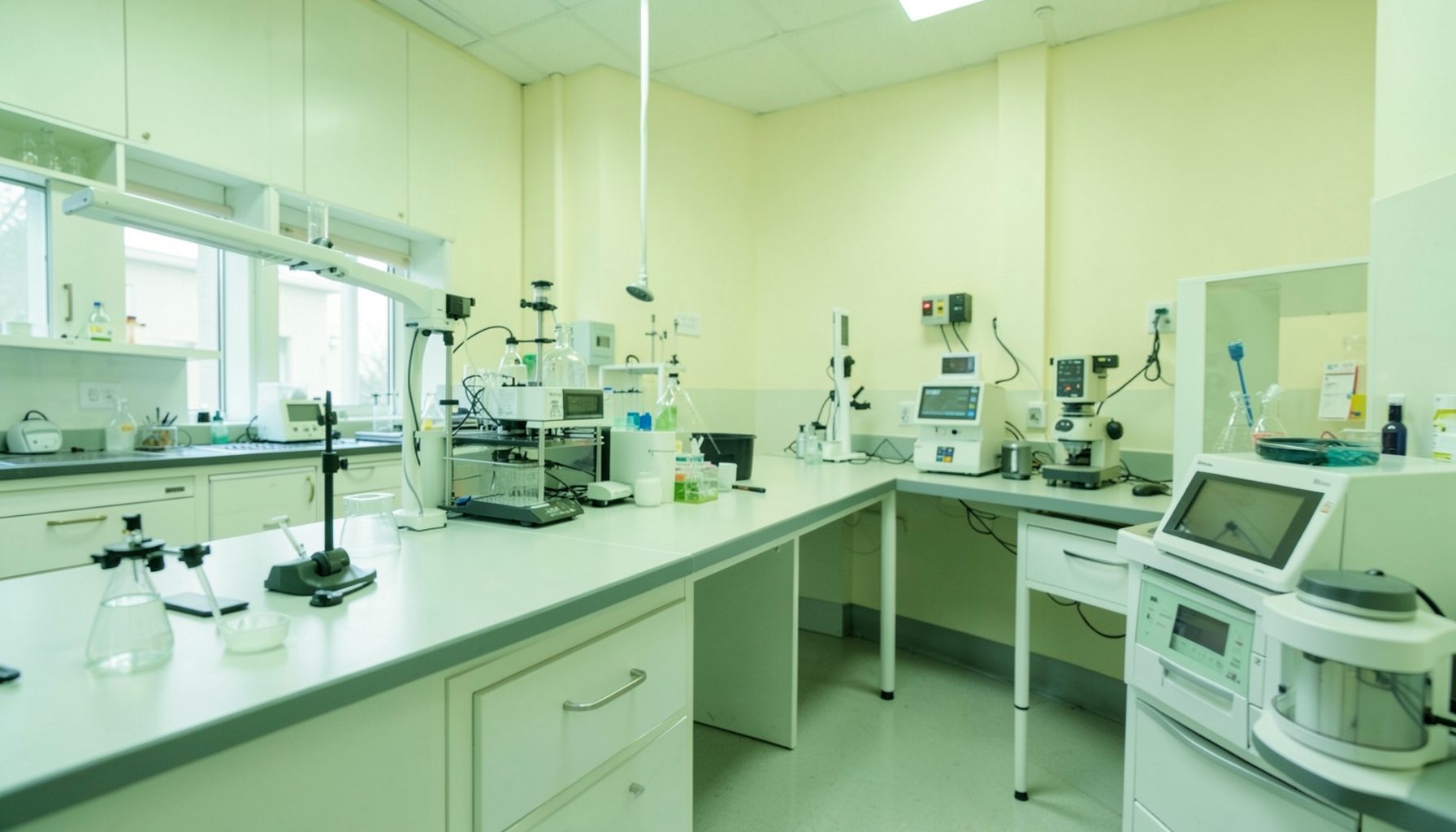
Reliable tuberculosis culture results begin before a specimen reaches an incubator. The preparation, dispensing, and handling of culture media must protect…
Guides
A weekly review of tuberculosis laboratory quality indicator charts turns routine data into an early-warning system. It helps a laboratory see whether testing…
A tuberculosis specimen spill can expose laboratory workers, patients, visitors, and cleaning staff to infectious material. A written response protocol turns a…
Tuberculosis laboratories often depend on paper registers, worksheets, request forms, bench logs, and result reports. These records support patient care,…
A tuberculosis laboratory may use several reagent types across microscopy, culture, molecular testing, and drug-susceptibility workflows. Each item carries a…
Competency in a tuberculosis laboratory is demonstrated through consistent performance, not simply through attendance at training or completion of a written…
A power outage can disrupt every stage of tuberculosis laboratory work, from specimen reception and sputum processing to molecular testing, culture, reporting,…
Accurate microscopic measurement depends on more than a sharp image. An ocular micrometer, also called an eyepiece graticule, has no fixed measurement value by…
A standard operating procedure (SOP) for sputum liquefaction and decontamination translates a technically demanding laboratory process into a controlled,…
A two-person verification system adds an independent review before a tuberculosis (TB) result is released, reported, or used to guide patient care. One staff…