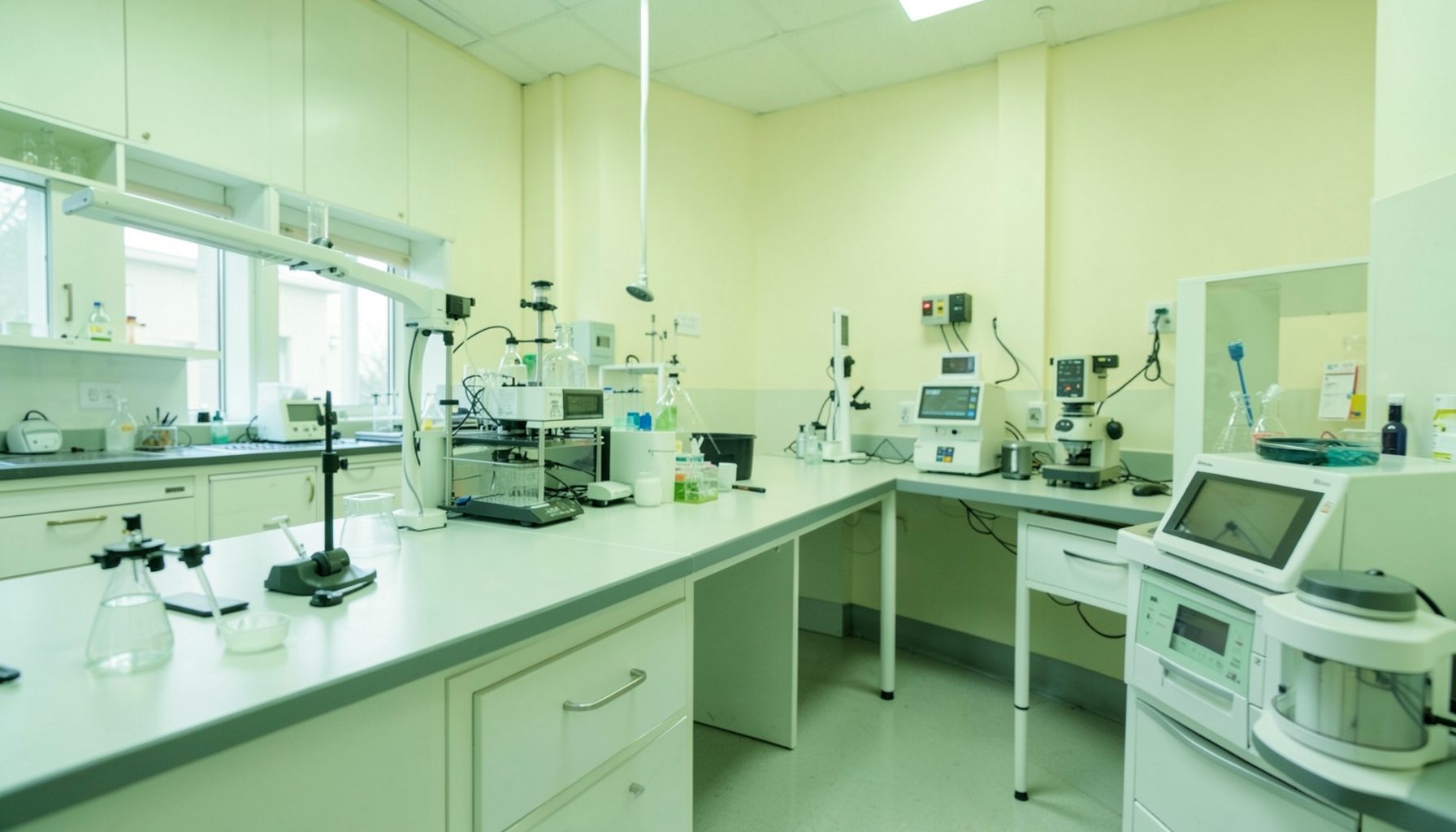
Introducing a new tuberculosis diagnostic test is a clinical, technical, and quality management decision. A kit may perform well in a manufacturer’s study yet…
Guides
A dependable specimen transport system is essential when tuberculosis testing depends on samples collected far from a laboratory. Distance, poor roads,…
Tuberculosis sputum processing can generate infectious aerosols, particularly when specimens are opened, mixed, transferred, vortexed, or centrifuged. A safe…
A false negative tuberculosis result can delay treatment, prolong transmission, and create false reassurance for patients and clinical teams. It can also…
A quality manual gives a tuberculosis diagnostic laboratory a clear description of how its quality management system works. It explains responsibilities,…
A high-quality tuberculosis laboratory is built through thousands of routine decisions: how a specimen is received, whether a control result is questioned,…
Timely tuberculosis (TB) test results help clinicians begin appropriate treatment, support infection prevention, and improve notification of people who may…
Reliable tuberculosis testing depends on equipment that performs within defined limits. A microscope with poor illumination, a centrifuge with an inaccurate…
A sample rejection policy gives tuberculosis microscopy centers a consistent way to decide when a specimen is unsuitable for testing. It protects staff,…
A reagent stockout can interrupt tuberculosis testing, delay treatment decisions, and place additional pressure on already limited laboratory capacity. The…