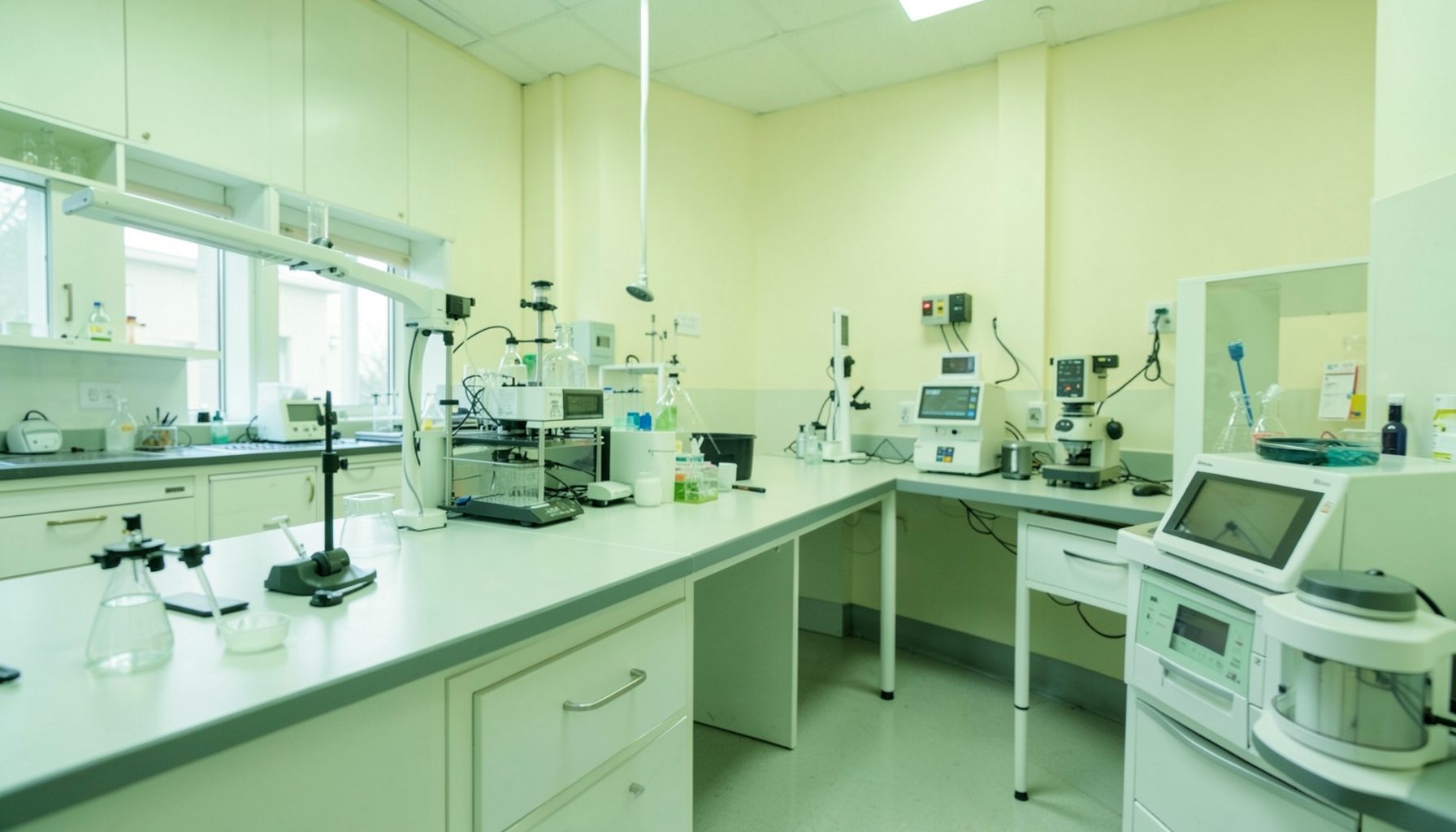
A tuberculosis laboratory depends on a steady supply of reagents, cartridges, stains, culture media, specimen containers, personal protective equipment, and…
Guides
A well-designed maintenance calendar turns scattered reminders into a shared operational system. For a tuberculosis laboratory, it can show when biosafety…
Selecting a reagent supplier for a tuberculosis laboratory is a quality decision, a clinical decision, and an operational decision. The lowest quoted price may…
Shared instruments help tuberculosis laboratories use limited resources efficiently, but they also create accountability risks. A centrifuge, microscope,…
Tuberculosis laboratories handle respiratory specimens, cultures, molecular test materials, chemicals, and disinfectants that can expose staff to infectious…
Adding a tuberculosis test can expand diagnostic access, shorten referral times, and improve treatment decisions. It can also expose weaknesses in staffing,…
A reliable emergency response begins long before an alarm, spill, exposure, or equipment failure occurs. For tuberculosis laboratories, a safety drill…
Reliable tuberculosis testing depends on results that remain consistent when the same material is tested repeatedly. A laboratory may have competent staff,…
Tuberculosis laboratories depend on reliable technical work at every stage, from receiving specimens to reporting results. When only one person can perform a…
Building a TB lab quality manual tailored to resource-limited settings requires more than collecting standard operating procedures in one file. The manual…