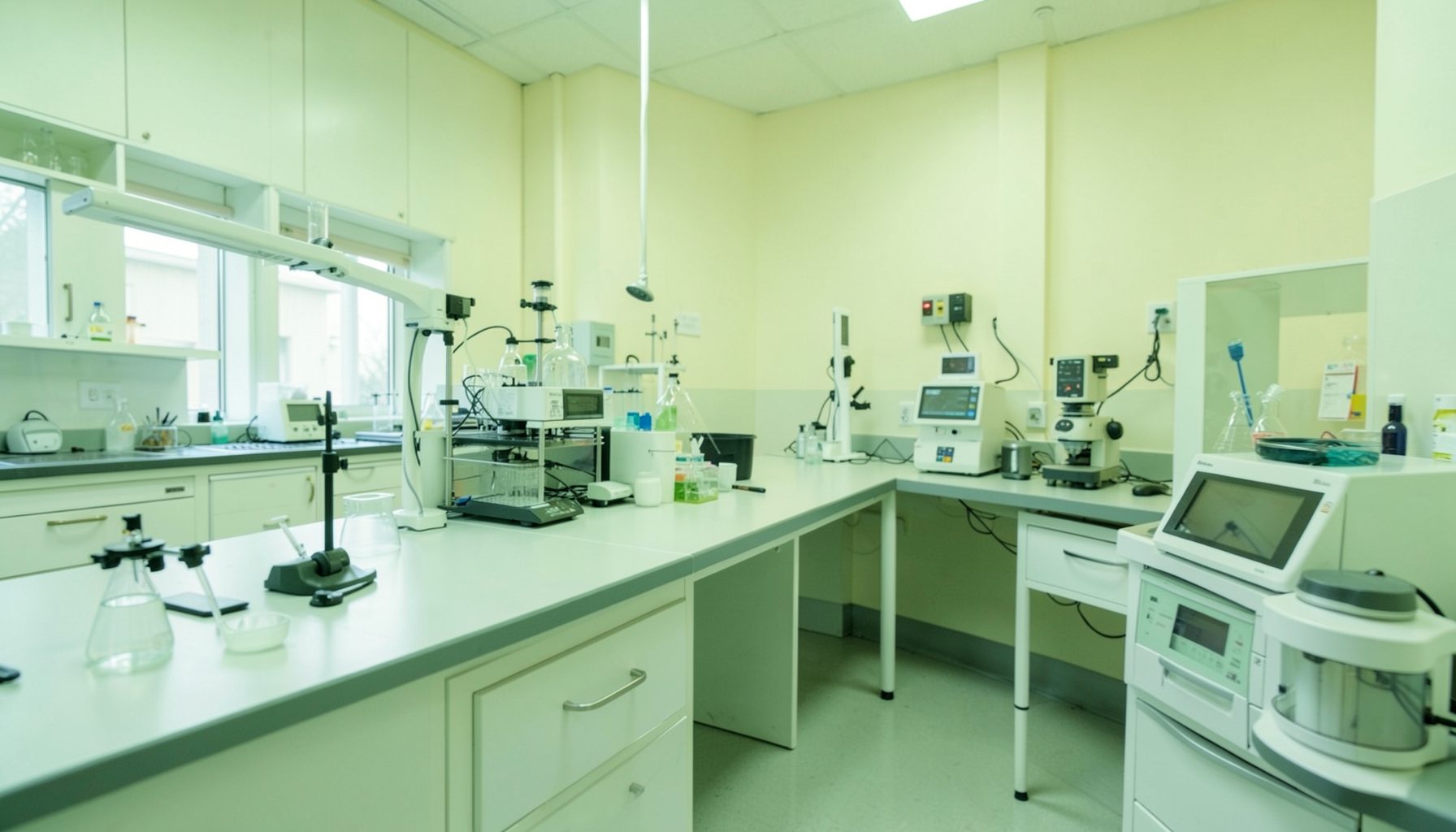
How to evaluate TB lab staff competency through practical observations
Competency in a tuberculosis laboratory is demonstrated through consistent performance, not simply through attendance at training or completion of a written test. A staff member may understand the theory of sputum processing, microscopy, culture, or molecular testing while still needing support with workflow, contamination prevention, result verification, or documentation.
Practical observation gives supervisors direct evidence of how work is performed under normal conditions. It can reveal whether a technician follows standard operating procedures, uses personal protective equipment correctly, recognizes unacceptable specimens, maintains sample identity, and responds safely when an unexpected event occurs.
A well-designed observation is structured, fair, and linked to the laboratory’s quality management system. It should assess the complete task, including preparation, technical steps, interpretation, recording, communication, and cleanup. The purpose is to confirm reliable practice and identify targeted opportunities for improvement rather than to catch people making mistakes.
Define the competency before observing
Begin with a clear statement of the task and the expected level of performance. For example, a competency assessment for sputum smear microscopy might cover specimen receipt, identification, smear preparation, staining, reading, result recording, slide storage, and work-area decontamination. A molecular testing assessment could include sample preparation, reagent handling, instrument operation, internal control review, result authorization, and waste disposal.
Use the current standard operating procedure, job description, training records, and applicable biosafety requirements to define the criteria. The observer should know which actions are essential, which errors require immediate intervention, and which minor deviations can be corrected through coaching. Criteria should be specific enough that two supervisors would reach a similar judgment.
Competency should also reflect the staff member’s actual role. A sample reception worker may be assessed on registration, labeling, acceptance and rejection decisions, referral documentation, and communication with clinical sites. A testing technologist may require a deeper assessment of analytical steps, quality control, troubleshooting, and technical validation.
Prepare a realistic observation
Choose a representative activity rather than an artificial demonstration that allows the employee to rehearse every step. Observing routine work during a normal shift can show how the staff member manages interruptions, workload, time pressure, and communication with colleagues. When patient samples cannot be used for training, clearly labeled panels, retained materials, or simulated specimens may provide a safe alternative.
Tell the employee what competency area will be assessed and explain how the observation will be conducted. Advance notice supports transparency, although periodic unannounced checks may be useful for monitoring routine compliance after the formal assessment. Avoid observing during an unusually chaotic period unless managing that type of pressure is itself part of the competency.
Prepare a checklist before entering the work area. Include observable behaviors such as hand hygiene, PPE use, verification of identifiers, correct pipetting technique, separation of clean and potentially contaminated areas, instrument checks, and timely documentation. Leave space for factual notes, examples of strong performance, deviations, and follow-up actions.
Observe the complete workflow
Watch without interrupting unless there is an immediate safety risk, a risk to specimen integrity, or a serious likelihood of an incorrect result. Record what the staff member does, says, checks, and documents. Avoid relying on memory or general impressions such as “appeared confident” or “needs more training.” Specific evidence is more useful: “verified two identifiers against the request form before accessioning” or “did not document the temperature excursion.”
For TB work, pay close attention to practices that protect staff and preserve result reliability. These include respiratory protection and other PPE, safe handling of specimens that may generate aerosols, use of biological safety cabinets where required, correct disinfection, spill response, and appropriate waste segregation. Observe whether the worker keeps specimens traceable from receipt through testing and reporting.
Technical accuracy is only part of the assessment. A competent staff member should recognize when a specimen is leaking, unlabeled, insufficient, delayed, or otherwise unsuitable. The laboratory can reinforce consistent decisions by using a specimen rejection log and reviewing rejection patterns during quality meetings.
| Competency area | Observable evidence | Possible critical error |
|---|---|---|
| Specimen reception | Confirms identifiers, records collection details, checks integrity and acceptance criteria | Processes an unidentifiable specimen |
| Biosafety | Uses required PPE, follows containment practices, disinfects surfaces correctly | Performs an aerosol-generating step outside required containment |
| Technical procedure | Follows the SOP sequence, uses equipment correctly, prevents cross-contamination | Mixes samples or skips a critical control |
| Quality control | Reviews controls, recognizes invalid runs, documents corrective action | Releases results from an unacceptable run |
| Result handling | Records findings accurately and obtains required verification | Transcribes or reports an incorrect result |
| Documentation | Completes worksheets, logs, maintenance records, and incident reports | Leaves traceability gaps that cannot be reconstructed |
Score evidence consistently
A simple rating scale can make observations easier to interpret. Options may include competent, competent with coaching, and not yet competent. Another approach is to score each criterion as satisfactory, needs improvement, or unsatisfactory. Whichever scale is selected, define it in advance and apply it consistently across staff and testing areas.
A critical step should usually be pass-or-fail. For example, failure to identify a mismatched sample, unsafe manipulation of infectious material, or release of an invalid result may require immediate retraining and reassessment. A slower but safe workflow may warrant coaching rather than a failed assessment if accuracy and safety remain protected.
Discuss findings soon after the observation while the details are fresh. Begin with effective practices, then describe gaps using neutral, evidence-based language. Ask the staff member to explain what they were trying to do and whether any equipment, workload, unclear instruction, or supply problem influenced the performance. This can distinguish an individual knowledge gap from a system weakness.
Record findings and verify improvement
The competency record should identify the employee, task, date, observer, method, criteria, result, and any required action. Include enough detail to show what was observed, but protect confidential information and avoid recording unnecessary patient identifiers. Link the assessment to the relevant SOP, instrument, bench, or quality indicator so that it remains useful during internal reviews.
When a gap is found, create a focused improvement plan. It might include reviewing an SOP, demonstrating a technique, completing supervised practice, studying a troubleshooting guide, or repeating the task with a qualified assessor. The action should have a responsible person and a due date. “Retrain staff” is too vague unless the record states what will be taught and how competence will be demonstrated.
Reassessment should use the same or an equivalent task and the same essential criteria. An employee who performs well once may still need periodic observation, especially after a prolonged absence, introduction of a new assay, instrument change, revised procedure, or recurring quality event. Trends across several observations are more meaningful than a single score.
Supervisors can use the GLI Quality Tool to connect competency assessment with broader quality essentials, including personnel, equipment, documents and records, assessment, and continual improvement. This prevents observation from becoming an isolated personnel exercise and helps laboratories integrate results into their overall improvement cycle.
Make observations useful and fair
- Assess one clearly defined task at a time, with criteria linked to the current SOP.
- Observe both technical actions and supporting behaviors such as identification checks, documentation, communication, and cleanup.
- Intervene immediately for unsafe practice or a threat to specimen integrity, then document the event objectively.
- Compare results across staff to identify system-wide training needs, unclear procedures, or equipment problems.
- Reassess after coaching and retain records so competency decisions remain traceable.
Turn results into routine quality improvement
A practical observation should lead to action at the individual, team, or laboratory level. If several employees struggle with the same step, the solution may be a clearer SOP, better workstation layout, more reliable supplies, or a group refresher rather than repeated individual counseling. If errors occur only on one instrument or shift, examine maintenance, workload, supervision, and environmental conditions.
Review competency findings alongside internal quality control, proficiency testing, nonconformities, specimen rejection data, turnaround time, and incident reports. Patterns can show whether staff need support with a particular assay, whether a process is poorly designed, or whether a new risk has emerged. Document decisions from these reviews and monitor whether corrective actions reduce repeat findings.
Observation is most effective when it becomes a normal part of laboratory practice rather than an event reserved for annual appraisal. A balanced schedule can include initial assessment before independent work, reassessment at defined intervals, observation after procedural changes, and targeted checks following an error or quality concern.
Laboratories can obtain practical materials, checklists, and phase-specific resources through the downloadable resources provided by the Global Laboratory Initiative. Using these tools alongside locally approved procedures helps create a competency process that is structured enough for reliable assessment and flexible enough for varied resource settings.
Build the process into the laboratory calendar, train supervisors to observe objectively, and start with one high-risk TB workflow. Consistent evidence, respectful feedback, and documented reassessment can strengthen staff performance while improving safety, traceability, and confidence in reported results.