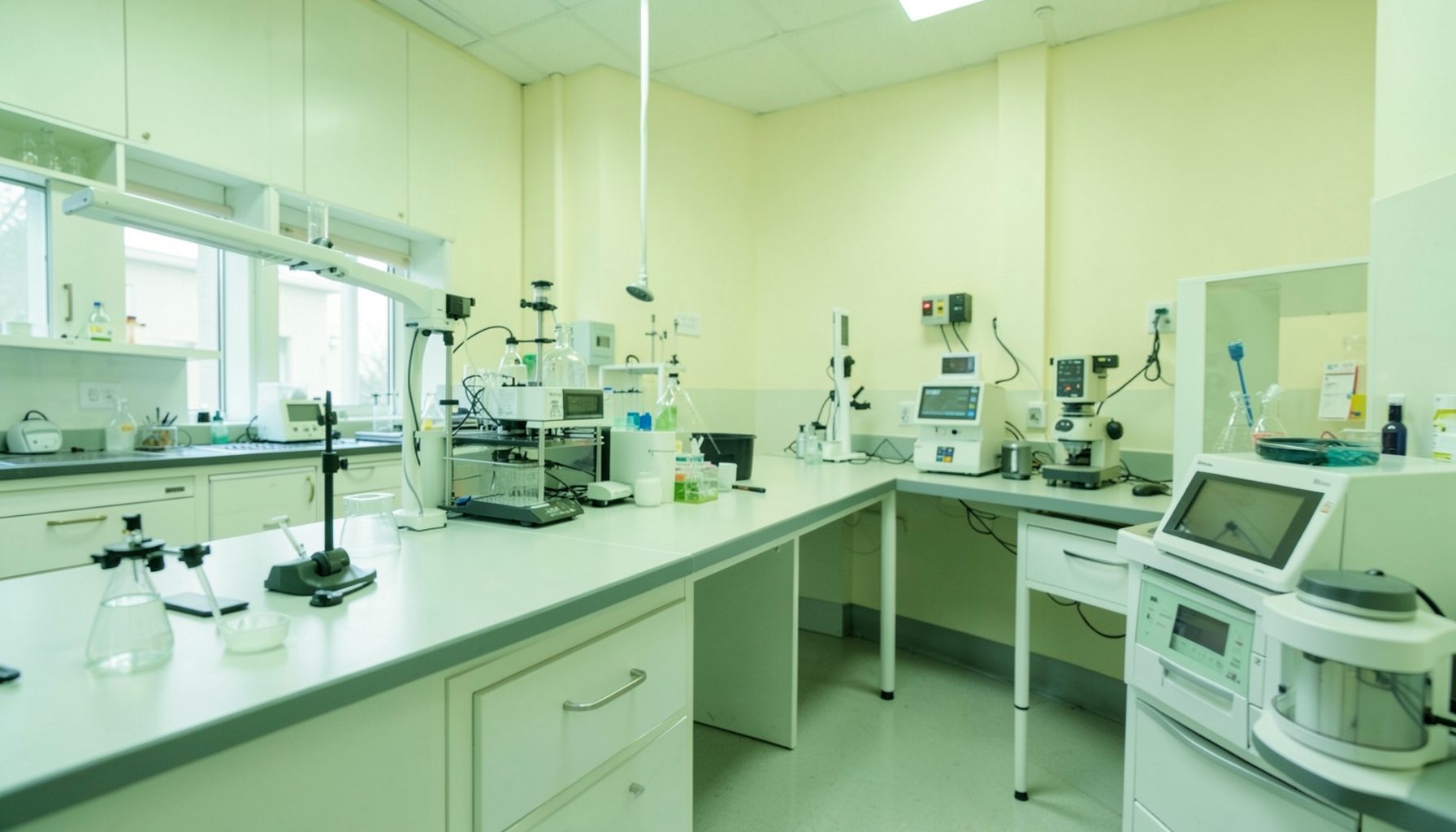
Creating a reliable TB specimen discard authorisation protocol
A clear protocol for TB lab specimen discard authorization and documentation protects patients, staff, laboratories, and the integrity of diagnostic records. It explains when a sputum, culture, smear, molecular test cartridge, or retained isolate may be discarded, who must approve the action, and what evidence must remain after disposal.
For Australian laboratories, the process needs to work across metropolitan services in Sydney, Melbourne, Brisbane, Perth, Adelaide and Canberra, as well as regional and remote facilities. It should support NATA-accredited operations, align with applicable state or territory health requirements, and remain practical when specimens arrive by courier, are stored over a weekend, or need referral to a specialist public health laboratory.
Establish the purpose and scope
The protocol should cover every stage from receipt to final disposal. Include primary respiratory specimens, extrapulmonary samples, cultures, positive and negative controls, extracted nucleic acid, slides, cartridges, retained strains, and any material contaminated during testing. State whether the procedure applies to routine diagnostic work, surveillance, research, proficiency testing, and referred specimens.
A useful scope also defines the circumstances that trigger review. These may include a completed test with no retention requirement, a leaking or compromised container, an expired holding period, a duplicate specimen, an unlabelled sample, or a specimen unsuitable for testing. The document should distinguish routine discard from an urgent disposal decision following a spill, suspected contamination, equipment failure, or an incident involving a high-risk isolate.
Link the protocol to the laboratory’s quality management system and its document-control process. The GLI Quality Tool’s quality checklists can help teams map the procedure to relevant Quality Systems Essentials, including documentation, equipment, assessment, safety, and continual improvement.
Define when a specimen may be discarded
A discard decision should be based on an approved retention schedule rather than personal preference. For each specimen type, record the minimum retention period, storage conditions, and the event that starts the retention clock. For example, the period may begin when a final result is authorised, when a culture is reported, or when a referred result is received.
Retention requirements can vary according to clinical, epidemiological, legal, research, or public health needs. A specimen linked to a suspected laboratory error, an unresolved drug-resistance result, a contact investigation, or a notifiable disease review may need to remain available beyond the ordinary period. The protocol should therefore include a hold instruction that overrides routine disposal.
Australian laboratories should account for local notification and referral pathways. Tuberculosis is managed through state and territory public health systems, and requirements may differ between jurisdictions. A specimen associated with an investigation in New South Wales may follow a different approval route from one processed in Western Australia. The protocol should direct staff to check the relevant jurisdictional policy before discarding material connected with a public health request.
Assign authority and accountability
Authorisation must be assigned to named roles rather than left to whoever happens to be working at the bench. A laboratory scientist may identify material as eligible for discard, while a senior scientist, section lead, pathologist, or laboratory manager provides approval. The responsible officer should be clear for routine shifts, weekends, leave periods, and after-hours work.
Create a separate escalation route for uncertain cases. Staff should pause disposal when patient identifiers do not match, results are incomplete, a clinician has requested retention, a public health officer has placed a hold, or the specimen relates to a complaint or adverse event. The escalation record should show who was contacted, when the decision was made, and why the material could or could not be discarded.
Responsibilities for physical disposal must also be defined. Staff handling TB material need appropriate training in biosafety, packaging, decontamination, and waste segregation. Australian sites must follow applicable work health and safety duties, local infection-control procedures, and clinical-waste arrangements. In a remote Northern Territory facility, for instance, the authorised officer may need to coordinate with a scheduled waste contractor rather than an on-site disposal service.
Build the workflow around evidence
A practical workflow begins with an eligibility check. The staff member confirms the specimen identifier, patient or episode number, test status, retention expiry date, storage location, and any active hold. A second person then verifies the decision when the material involves a positive culture, an unusual result, a referral, or a high-consequence incident.
The authorisation form can be electronic or paper, but it should capture consistent fields. Recommended entries include specimen identification, specimen type, date received, test or culture status, reason for disposal, retention rule applied, authorising person, verifier, approval date, disposal method, and the date disposal occurred. Add a field for exceptions and attach relevant incident, referral, or public health correspondence.
Make the process usable during busy periods. A daily equipment-check resource such as this user-friendly checklist guide offers a helpful model for concise instructions, defined responses, and clear escalation. The same principles apply to specimen discard records: staff should be able to complete them quickly without guessing what each field means.
Control disposal and record security
The protocol should state how each material category is rendered safe. Depending on the laboratory’s validated processes, this may involve autoclaving, chemical treatment, approved decontamination, or transfer to a licensed clinical-waste contractor. Do not describe a disposal method as acceptable unless it has been validated, is compatible with the material, and is supported by the laboratory’s biosafety procedures.
Use sealed, leak-resistant containers and maintain segregation between infectious waste, sharps, general waste, and material destined for specialist destruction. If waste leaves the premises, retain the contractor’s documentation or consignment record. A chain-of-custody entry is particularly important for cultures, isolates, and samples sent between a hospital laboratory and a reference service in a different city.
Records must be protected as health information. The Privacy Act 1988 and relevant state or territory privacy obligations may apply to identifiers, test results, and clinical correspondence. Limit access according to job responsibilities, use secure laboratory information systems, and avoid placing unnecessary patient details on external waste paperwork. Retain the authorisation record for the period specified by the laboratory’s document-retention policy, even after the specimen itself has gone.
Test, review, and improve the protocol
Before implementation, test the workflow with ordinary and difficult examples. Use a completed negative specimen, a positive culture awaiting referral, an unlabelled sample, a specimen under a public health hold, and material discovered after the retention date. Ask staff to follow the form without coaching and record where they hesitate or interpret instructions differently.
The laboratory should monitor a small set of indicators, such as incomplete authorisations, disposal without documented approval, overdue specimens, unresolved holds, and waste containers rejected by contractors. Review a sample of records during internal audits and compare physical storage against the discard register. Findings should lead to corrective actions, retraining, or changes to the retention schedule.
Australian services often face mixed workloads and staffing patterns. A metropolitan laboratory may process high volumes through automated systems, while a regional service may depend on weekly transport to a referral centre. Downloadable quality resources can support training packs, controlled forms, and local implementation without forcing every site into an identical workflow.
Practical controls for daily use
- Use a controlled form with mandatory fields for eligibility, approval, disposal, and verification.
- Place an automatic or calendar-based alert before each retention deadline.
- Require an active hold check before discarding any specimen linked to public health, referral, complaint, or investigation activity.
- Keep contractor receipts, autoclave records, and incident reports with the discard authorisation.
- Audit a defined sample each month and report trends through the laboratory quality meeting.
A well-designed protocol turns disposal into a traceable quality activity rather than an informal housekeeping task. It gives staff permission to pause when information is incomplete, provides managers with evidence of appropriate decisions, and supports safe handling of TB material from receipt through final destruction.
Adapt the procedure to the laboratory’s jurisdiction, staffing model, biosafety controls, information system, and waste contractor. Then train every relevant worker, run the workflow against realistic cases, and review the first audit cycle so the protocol becomes a dependable part of everyday TB laboratory practice.