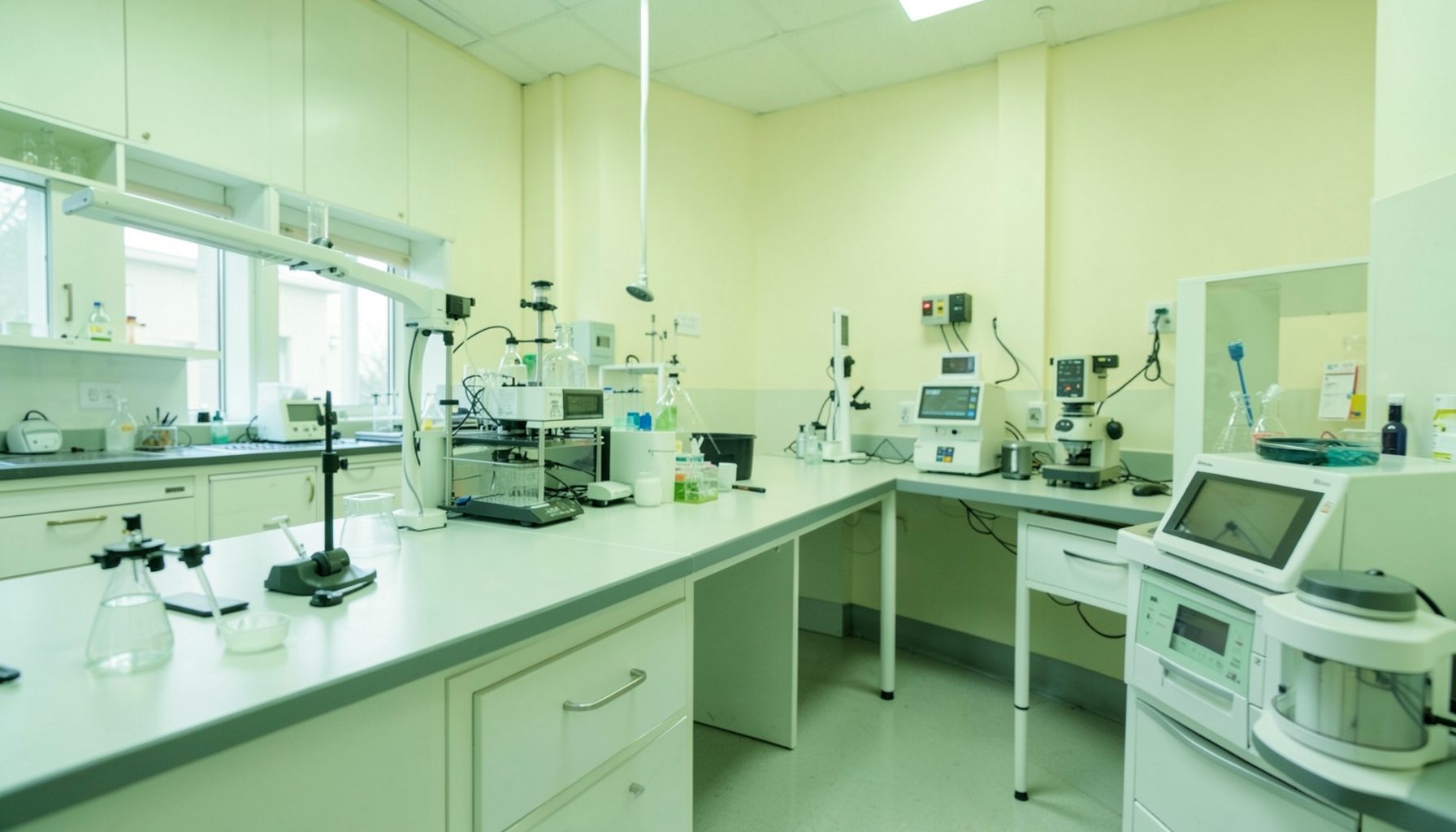
Managing biosafety risks in TB sputum processing laboratories
Tuberculosis sputum processing can generate infectious aerosols, particularly when specimens are opened, mixed, transferred, vortexed, or centrifuged. A safe laboratory therefore needs more than personal protective equipment. It needs a coordinated system that controls exposure at the source, protects staff throughout the workflow, and provides reliable action when something goes wrong.
Biosafety measures should match the actual procedures, equipment, facility design, and skills available in the laboratory. A small site handling a limited number of specimens may face different risks from a high-throughput molecular testing facility, but both require documented practices, competent personnel, effective ventilation, and regular review.
The GLI Quality Tool helps tuberculosis laboratories connect these activities with quality management. Its phased roadmap and Quality Systems Essentials provide a practical structure for building safe, consistent processes in laboratories working with varied resources.
Start with a procedure-based risk assessment
A useful risk assessment follows the specimen from receipt to disposal. Map every step: accepting the sample, checking the container, opening and labeling it, preparing aliquots, performing digestion or concentration, transferring material, loading instruments, cleaning work surfaces, and managing waste. Identify where splashes, spills, leaks, or aerosol generation could occur.
Consider the likelihood and consequence of each exposure. Ask whether staff work inside a certified biological safety cabinet, whether centrifuge tubes are sealed, whether equipment is maintained, and whether specimens can be processed without unnecessary movement between rooms. The assessment should include routine work, maintenance, cleaning, power interruptions, equipment failures, and emergency response.
Controls should be selected in order of effectiveness. Engineering controls, such as a properly functioning Class II biological safety cabinet, sealed centrifuge buckets, and suitable ventilation, should come before administrative rules and PPE. Administrative controls remain essential: limiting access, separating clean and contaminated activities, using written procedures, scheduling maintenance, and ensuring that only trained staff perform high-risk tasks.
Design the workflow around containment
Sputum specimens should be handled as potentially infectious from receipt. Specimen reception must prevent leaks from spreading contamination to paperwork, computers, or other samples. Staff should inspect containers without unnecessary manipulation, document damaged packaging, and use a designated process for secondary containment and decontamination.
Opening primary containers and preparing specimens should occur inside an appropriate biological safety cabinet whenever aerosol production is reasonably foreseeable. The cabinet must be correctly installed, certified at defined intervals, and used in a way that does not disrupt airflow. Staff should avoid rapid arm movements, overcrowding, open flames, and activities that block the front or rear grilles.
Centrifugation deserves specific attention. Sealed safety cups or sealed rotors reduce the chance that an aerosol will escape if a tube breaks. Cups should be loaded and unloaded in containment when the procedure and facility risk assessment require it. After centrifugation, allow aerosols to settle according to the laboratory procedure before opening containers, and inspect equipment routinely for cracks, leaks, or corrosion.
A safe workflow also separates clean supplies from contaminated materials. Keep labels, racks, disinfectants, and waste containers positioned so staff do not reach across open specimens. Use one-directional movement where possible, from cleaner to more contaminated activities, and establish clear routes for specimens, staff, waste, and reusable equipment.
Build biosafety into the quality system
Biosafety is linked to every major laboratory management function. The twelve quality essentials offer a way to connect safety with personnel competency, equipment management, documents and records, facilities, purchasing, assessment, and continual improvement.
Written procedures should describe the exact method used at the site rather than reproduce generic text. They need to specify required containment, PPE, disinfectant concentration and contact time, centrifuge practices, spill response, waste handling, and actions after exposure. Controlled documents should have approval dates, revision histories, and a process for removing obsolete copies.
Training must be demonstrated, not assumed. New personnel should receive instruction before independent work and should be observed performing critical tasks, including cabinet setup, specimen opening, pipetting, centrifuge loading, surface decontamination, and spill response. Refresher training should follow changes in equipment or procedures, incidents, observed unsafe practices, or extended absence from the work area.
The QMS implementation guide can help laboratories organize these responsibilities into an achievable sequence. Starting with defined responsibilities, controlled procedures, and basic records makes later monitoring more reliable and prevents biosafety from becoming an isolated activity owned by one person.
Match controls to common processing hazards
The following controls can be adapted to local procedures and verified through the laboratory’s risk assessment. They should be supported by manufacturer instructions, national requirements, and the facility’s approved biosafety procedures.
| Processing activity | Main hazard | Important controls | Evidence to review |
|---|---|---|---|
| Receiving and opening specimens | Leaks, splashes, contaminated surfaces | Secondary containment, restricted access, biological safety cabinet for aerosol-generating work | Receipt records, inspection logs, staff observations |
| Pipetting or transferring sputum | Droplets and aerosols | Certified cabinet, sealed disposable tips, slow controlled movements, suitable PPE | Competency records, cabinet certification |
| Vortexing or mixing | Aerosol release and tube failure | Closed containers, validated equipment, containment, waiting period before opening | Procedure, maintenance record, incident reports |
| Centrifugation | Aerosols from broken or leaking tubes | Sealed buckets or rotors, balanced loads, inspection and decontamination process | Rotor checks, maintenance logs |
| Decontamination | Inadequate microbial inactivation or chemical exposure | Approved disinfectant, correct dilution and contact time, labeled containers | Preparation records, stock checks |
| Waste disposal | Exposure during transport or handling | Leak-resistant containers, segregation, closed transport, approved disposal route | Waste logs, inspection findings |
Disinfectants should be selected and used according to local policy, organism risk, surface type, and manufacturer instructions. A solution that is too weak, expired, poorly mixed, or wiped away before the required contact time may fail to decontaminate. Staff should know which products are compatible with cabinets, instruments, and work surfaces, and should use eye and skin protection when chemical exposure is possible.
PPE is the final layer rather than the primary containment measure. Laboratory coats or gowns, gloves, and eye or face protection should be selected for the task. Respiratory protection may be needed when the risk assessment identifies airborne exposure that cannot be adequately controlled by engineering measures. Fit, availability, storage, replacement, and correct donning and removal all affect effectiveness.
Monitor performance and learn from incidents
A biosafety program needs indicators that show whether controls work in practice. Useful measures may include the percentage of staff with current competency assessments, biological safety cabinet certification status, completion of centrifuge maintenance, availability of spill kits, corrective action closure, and the number and type of specimen leaks or exposure events.
Near misses deserve the same attention as confirmed exposures. A cracked tube discovered before processing, a cabinet alarm, an incorrectly prepared disinfectant, or a glove tear can reveal weaknesses before someone is harmed. Reporting should be simple, confidential where appropriate, and focused on correcting the system rather than assigning blame.
When an incident occurs, secure the area, provide immediate first aid, notify the responsible supervisor, and follow the facility’s occupational health and exposure-management process. The event should be documented promptly, including the procedure underway, materials involved, PPE used, environmental conditions, and actions taken. A structured root-cause review can then identify whether the problem involved training, equipment, workload, supplies, facility layout, or an unclear procedure.
External assessment can add an independent view of laboratory performance. The external quality assessment role explains how external quality assessment supports reliable testing and identifies opportunities for improvement. Although EQA primarily examines analytical performance, its findings can expose weaknesses in documentation, specimen handling, staff competency, or process consistency that also affect biosafety.
Maintain readiness in changing conditions
Biosafety controls can weaken when workloads rise, staffing changes, supplies are delayed, or equipment is moved. Supervisors should review risk whenever the laboratory introduces a new assay, changes specimen volume, modifies the room layout, replaces a cabinet or centrifuge, or begins work in a temporary area.
Emergency supplies should be visible and accessible. A spill kit should contain materials appropriate for the specimens and disinfectants in use, along with instructions, waste bags, absorbent materials, and PPE. Staff need practical drills for spills, power failures, cabinet breakdowns, centrifuge incidents, fire, and accidental exposure. Drills should produce documented actions, assigned responsibilities, and follow-up improvements.
The following priorities help keep the program usable rather than theoretical:
- Complete a documented risk assessment for each sputum-processing procedure and review it after changes or incidents.
- Verify biological safety cabinet certification, centrifuge safety features, equipment maintenance, and ventilation controls on a defined schedule.
- Assess staff competency through direct observation, including specimen opening, aerosol control, disinfection, waste handling, and spill response.
- Track near misses, exposure events, corrective actions, and overdue safety checks through routine management review.
- Keep current procedures, emergency contacts, PPE, spill materials, and disinfectants available at the point of work.
Make safe practice routine
Effective biosafety in a TB laboratory is visible in ordinary decisions: where a specimen is opened, how a rotor is loaded, when a surface is disinfected, and whether a near miss is reported. These decisions become dependable when the laboratory provides suitable equipment, clear procedures, trained staff, and regular feedback.
Use the GLI Quality Tool to assess the laboratory’s current phase, identify gaps, and assign practical actions across the relevant Quality Systems Essentials. Begin with the highest-risk activities, document progress, and involve the people who perform the work every day. A consistent quality system can turn biosafety requirements into routine protection for laboratory personnel, patients, and the surrounding community.