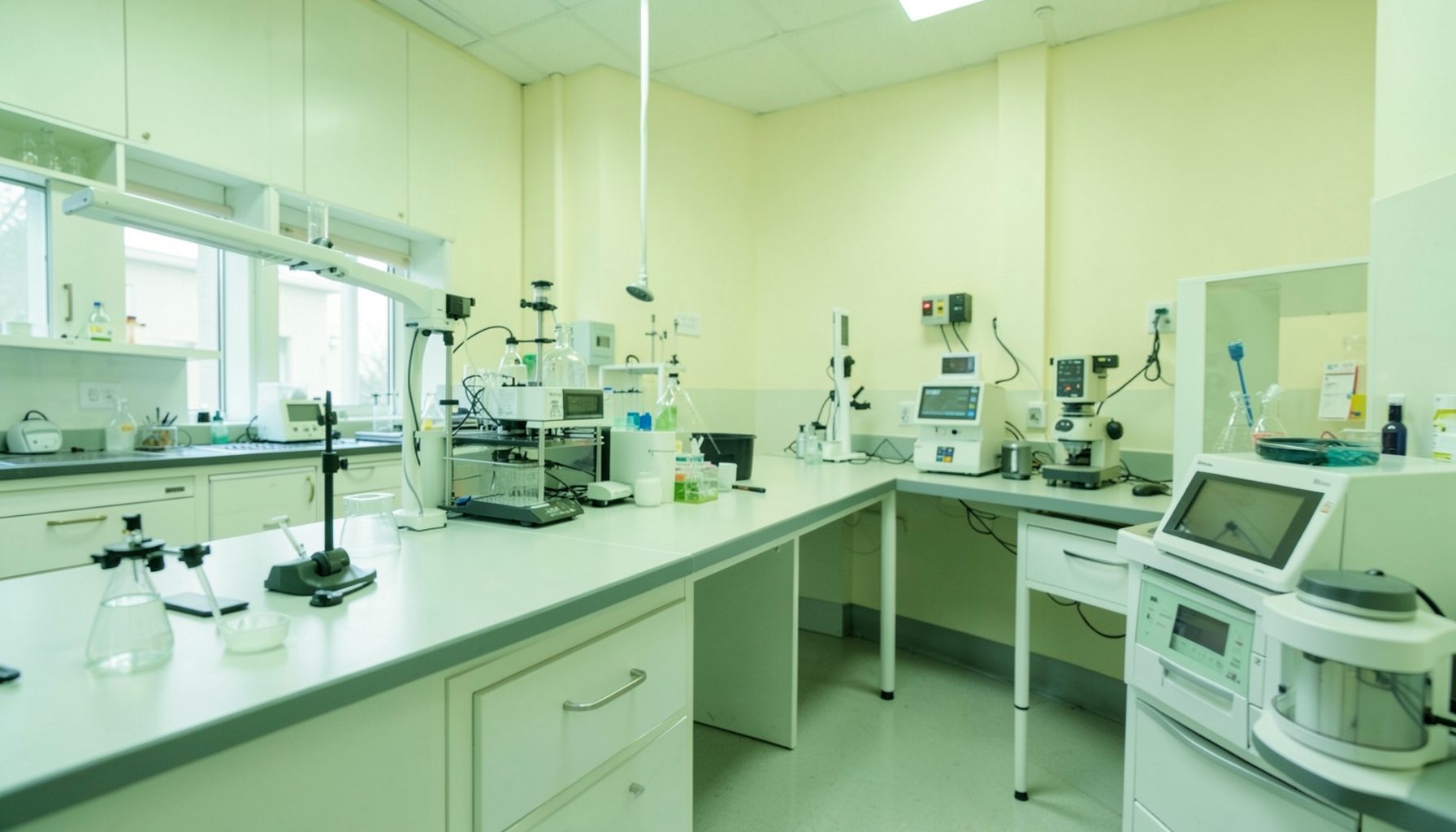
How district TB labs can shorten culture result turnaround times
Culture remains essential for confirming tuberculosis, identifying drug resistance, and supporting treatment decisions, yet district laboratories often face long delays between specimen collection and result reporting. The causes may include transport problems, incomplete request forms, limited staffing, equipment downtime, repeated testing, or results waiting for review.
Reducing turnaround time does not mean rushing biological processes or weakening biosafety controls. Mycobacterial growth still requires the time defined by the selected culture method. The practical goal is to remove avoidable waiting around that process, create predictable handoffs, and ensure that a valid result reaches the clinician as soon as it is available.
A quality management system gives district laboratories a structured way to find these delays. By reviewing the full specimen pathway—from collection and referral to culture, reading, confirmation, reporting, and record storage—teams can improve speed while protecting accuracy and staff safety.
Set a realistic workflow baseline
Begin by measuring the current turnaround time at several points rather than recording only the final result date. Useful intervals include collection to laboratory receipt, receipt to accessioning, accessioning to culture setup, setup to first examination, examination to verification, and verification to communication. Separating these stages shows whether the main delay is pre-analytical, analytical, or post-analytical.
Use a small sample of routine specimens from different days and referral sites. Record the date and time of each event, the specimen type, the test requested, and any reason for a repeat or hold. A simple paper log or spreadsheet is sufficient when a laboratory information system is unavailable. The baseline should reflect normal operations, not an unusually well-staffed week.
The laboratory can then define a target for each handoff. For example, specimens received before a stated cutoff may be accessioned and processed the same day, while culture observations may be reviewed on scheduled days. Clear targets make delays visible and help supervisors distinguish a biological waiting period from an administrative queue.
Protect specimen quality before culture
Poor specimen quality creates repeat work and can lengthen the time to a dependable TB result. District laboratories should provide collection sites with clear instructions on acceptable specimens, container requirements, labeling, minimum volume, storage, and transport conditions. A rejected or leaked specimen may require a new collection, adding days before culture begins.
Transport schedules deserve particular attention. Map every collection point, courier route, dispatch day, and arrival time. If specimens remain at a peripheral facility over a weekend, adjusting the dispatch schedule may reduce delay more effectively than changing procedures inside the laboratory. Where possible, use leak-proof packaging, temperature protection appropriate to the specimen and method, and a documented chain of custody.
At receipt, staff should check identifiers, request details, specimen condition, volume, and collection time. Missing information should be resolved through a defined escalation process rather than informal phone calls that are easily forgotten. A standardized rejection and discrepancy form helps referral sites correct recurring problems and supports constructive feedback.
Organize incubation and daily work
Culture setup should be linked to a dependable daily work pattern. Assign responsibility for receiving and accessioning specimens, preparing cultures, reading or monitoring them, entering results, and notifying clinicians. When one person performs every task, absence or competing work can create a queue. Cross-training at least one backup worker increases continuity without compromising authorization requirements.
Batching can improve efficiency, but excessive batching may delay early specimens. Set a maximum waiting period for work that can safely be processed daily. Place urgent or clinically significant requests into a clearly defined priority pathway, while preserving the same biosafety, contamination-control, and quality checks used for routine testing.
The laboratory should also schedule culture readings and instrument checks in a visible calendar. Missed reading dates are a common source of avoidable delay. A wall chart, shared electronic calendar, or daily bench checklist can show which cultures are due, which are overdue, and which require follow-up. Staff should document the reason for any missed activity and notify the supervisor when a result may be delayed.
| Workflow point | Common source of delay | Practical control | Indicator to monitor |
|---|---|---|---|
| Collection and transport | Irregular dispatch or poor packaging | Fixed transport schedule and packaging checklist | Median collection-to-receipt time |
| Accessioning | Incomplete forms or unclear identifiers | Receipt checklist and escalation contact | Percentage accessioned on receipt day |
| Culture setup | Work held for batching or staff shortages | Daily work allocation and backup coverage | Receipt-to-setup interval |
| Incubation and reading | Missed examination dates | Due-date calendar and bench sign-off | Percentage of readings completed on time |
| Verification and reporting | Results waiting for authorization | Defined reviewer and escalation pathway | Verification-to-report interval |
| Communication | Paper reports not reaching clinicians | Documented notification process for critical results | Time from verification to notification |
Keep equipment and supplies ready
Equipment downtime can stop an entire culture workflow, particularly where a district laboratory has one incubator, one biosafety cabinet, or limited access to maintenance services. Preventive maintenance should be scheduled before failure occurs, with service records, responsible personnel, and a contingency plan for specimens already in process.
Daily checks should cover the conditions that directly affect testing, such as temperature, power status, cabinet function, alarms, and cleanliness. Any out-of-range finding needs a documented response that explains whether cultures can continue, must be relocated, or require assessment for validity. Staff should know whom to contact and what steps to take outside normal working hours.
Stock management is equally important. Shortages of containers, media, reagents, labels, disinfectants, or personal protective equipment can create hidden interruptions. Establish minimum and maximum stock levels based on consumption and procurement lead times. Review expiry dates during routine inventory checks and use a first-expiry, first-out approach where appropriate.
Documentation should support speed rather than create duplicate work. Approved worksheets, culture logs, equipment records, and reporting templates should contain the information needed for traceability without requiring staff to transcribe the same data repeatedly. The GLI Quality Tool offers a structured resource for reviewing documentation, equipment, personnel, and other quality system elements in a phased way.
Make review and reporting immediate
A result that is technically complete but not reviewed or communicated is still a delayed result. Define who may verify each type of finding, who serves as the backup reviewer, and how staff handle weekends, leave, or unexpected workload. The process should include clear rules for preliminary, final, amended, and invalid results.
Critical findings require a reliable notification pathway. The laboratory should maintain current contact details for responsible clinicians or facilities and document the date, time, recipient, method, and staff member making the notification. For referral facilities, use an agreed escalation sequence rather than repeatedly attempting a single unavailable contact.
Results should be released through a controlled reporting method that protects confidentiality and prevents transcription errors. If paper reports are used, establish a dispatch and receipt record. If electronic reporting is available, use access controls and an audit trail. A short report template with standardized wording can reduce review time and ambiguity.
Use quality indicators to remove delays
Turnaround time should be reviewed alongside indicators that reveal why it changed. Useful measures include the percentage of specimens received in acceptable condition, culture setup completed within the target, scheduled readings performed on time, contamination or invalid rates, equipment interruption hours, and reports communicated within the defined interval. Trends are more useful than a single monthly figure.
Review the indicators during a regular quality meeting with staff who perform each step. Ask where work waited, what caused the wait, and whether the corrective action addressed the actual cause. For instance, repeated late setup may reflect transport arrival patterns rather than insufficient bench discipline. A change to courier timing may therefore have a larger effect than asking staff to work faster.
Small tests of change can be introduced one at a time. A laboratory might trial a new receipt checklist for one month, compare the result with the baseline, and retain the change if it improves completeness without increasing errors. Keep records of the action, responsible person, due date, result, and follow-up decision. Teams can also share feedback on practical tools and barriers encountered in routine laboratory settings.
Priorities for faster reporting
District laboratories should focus first on controls that make work predictable and prevent rework. The following priorities are usually achievable without major investment:
- Measure every major handoff from specimen collection through result communication.
- Set fixed transport, accessioning, culture setup, reading, review, and reporting targets.
- Use checklists to prevent errors in labeling, request forms, specimen condition, and receipt records.
- Maintain backup staffing, equipment contingency plans, and minimum stock levels for essential supplies.
- Review turnaround indicators with the full workflow team and document corrective actions.
Speed should remain tied to the quality essentials that protect patients, staff, and the credibility of laboratory results. A faster process with weak traceability or poor contamination control will eventually create repeat testing and greater delay. A disciplined process, by contrast, makes urgent work visible, preserves reliable records, and helps the laboratory learn from each interruption.
Begin with one week of baseline measurements, identify the longest avoidable waiting period, and assign a specific owner to address it. Then review the evidence with the district laboratory team and build the successful change into routine procedures. Use the GLI resources to guide the quality improvement cycle and turn shorter, dependable TB culture reporting into a sustained laboratory practice.