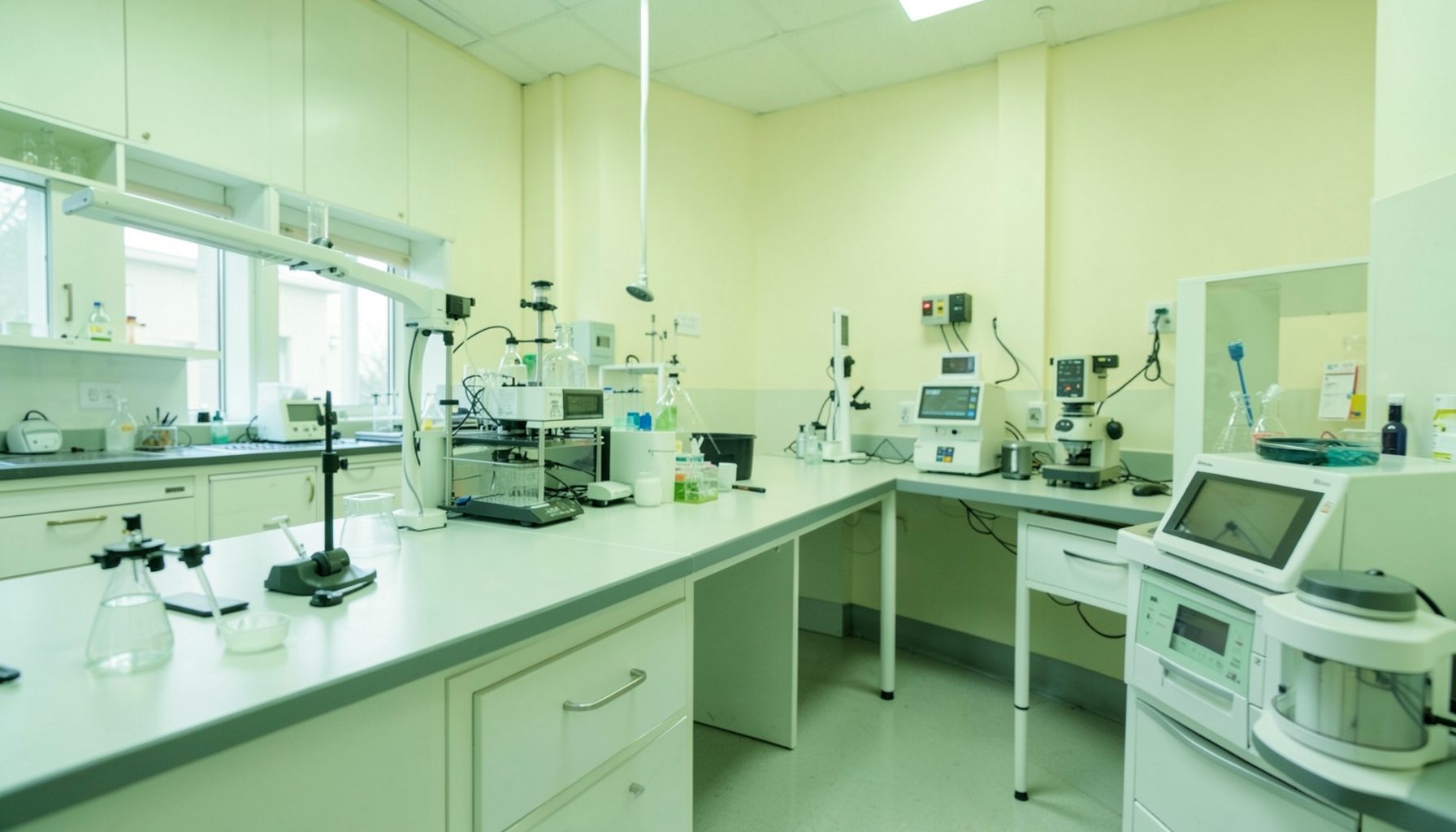
Leading Quality Improvement in a TB Laboratory
Quality improvement in a tuberculosis laboratory is a practical leadership responsibility, not a meeting title. The team must translate standards into dependable daily work: correctly identified specimens, safe processing, accurate testing, reliable records, and timely reporting. A strong leader connects these technical priorities with the people, resources, and decisions required to sustain them.
The GLI Quality Tool offers a useful structure for this work through a four-phase roadmap and twelve Quality Systems Essentials. Its checklists and downloadable materials help a laboratory move from recognizing gaps to implementing, monitoring, and sustaining improvements. The team leader’s role is to make that roadmap relevant to the laboratory’s actual workload, biosafety risks, staffing pattern, and available infrastructure.
Define the team’s purpose and authority
Begin with a clear quality improvement charter. It should state the laboratory’s main objectives, the services covered, the problems that need attention, and the results the team is expected to deliver. A TB laboratory may focus first on reducing specimen rejection, improving turnaround time for drug-resistant TB testing, strengthening internal quality control, or closing biosafety gaps.
The charter should also clarify authority. Team members need to know which decisions they can make, which require approval from the laboratory manager, and how unresolved resource issues will be escalated. Without this clarity, meetings can become reporting sessions where problems are documented repeatedly but never assigned to an owner.
Keep the team’s scope manageable. A broad commitment to “improve quality” is difficult to measure and easy to postpone. Select a small number of priorities linked to patient care, staff safety, regulatory expectations, or service continuity. Once the team demonstrates progress, it can expand to another process or Quality Systems Essential.
Select a balanced and accountable team
A quality team should reflect the complete testing pathway. Include representatives from specimen reception, microscopy or molecular testing, culture and drug susceptibility testing where applicable, quality management, biosafety, equipment maintenance, and reporting. Administrative or procurement staff may also be important when supply interruptions, maintenance contracts, or purchasing procedures affect laboratory performance.
The laboratory head should appoint a chair or facilitator who can organize meetings, encourage participation, and keep decisions moving. Each member needs a defined role, such as reviewing records, coordinating corrective actions, checking equipment logs, or communicating changes to a shift. Responsibility should be assigned by function rather than rank, so staff closest to the work can contribute practical knowledge.
Psychological safety matters in a TB laboratory. Errors, near misses, and nonconformities often reveal weaknesses in systems rather than individual carelessness. Leaders should ask what made an error possible, avoid public blame, and protect staff who report hazards. A fair approach produces better information and makes corrective action more realistic.
Convert the roadmap into a working system
Use the four phases of the GLI Quality Tool as a management cycle rather than a one-time inspection. In the early phase, the team establishes commitment and identifies its current position. The next phase can organize essential policies and processes, followed by implementation and measurement. The final phase focuses on sustaining gains and pursuing continual improvement.
Translate each selected requirement into an observable action and a source of evidence. For example, “improve equipment management” might become a verified inventory, preventive maintenance schedule, temperature records, breakdown log, and documented response to failures. The team should agree on what acceptable performance looks like before it begins collecting data.
| Roadmap focus | Team activity | Evidence of progress |
|---|---|---|
| Establish direction | Define priorities, roles, risks, and approval routes | Signed charter and action register |
| Build foundations | Standardize procedures, forms, training, and records | Controlled documents and competency files |
| Implement and assess | Monitor indicators, conduct audits, and address findings | Trend charts, audit reports, and corrective actions |
| Sustain improvement | Review results, refresh plans, and share learning | Management review records and completed improvement cycles |
A quality manual can bring these arrangements together by describing the laboratory’s organization, processes, responsibilities, and document control system. When drafting or revising this core document, use the laboratory quality manual guidance to keep it practical and aligned with TB diagnostic operations. The manual should reflect actual practice, because a document that staff cannot follow will weaken rather than strengthen the quality system.
Make meetings produce decisions
A productive quality meeting has a predictable rhythm. Circulate a short agenda in advance, review open actions first, examine one or two indicators, discuss a priority risk, and finish with decisions and assignments. Meetings should be long enough for meaningful analysis but short enough to fit laboratory operations. A monthly meeting may suit strategic review, while brief weekly huddles can address urgent operational issues.
Use data to focus discussion. Useful indicators might include specimen rejection rates, invalid molecular test results, turnaround time, stock-outs, equipment downtime, temperature excursions, amended reports, or the percentage of corrective actions closed on time. Display trends rather than isolated numbers, since a single result rarely explains whether a process is improving.
When performance falls short, use a structured method such as the five whys, a process map, or a fishbone analysis. Ask where the process broke down and what controls could prevent recurrence. Then record the action, responsible person, due date, required resources, and verification method. An action is incomplete until the team checks whether it solved the original problem.
Integrate biosafety into quality decisions
TB laboratory quality management depends on safe work. Biosafety should be discussed alongside testing performance, because unsafe specimen handling can expose staff, compromise samples, interrupt services, and damage trust. Include biosafety personnel or designated safety representatives in risk assessments, incident reviews, and decisions about workflow changes.
Map each step from specimen receipt through processing, decontamination, testing, storage, and waste disposal. Consider aerosol generation, ventilation, personal protective equipment, respiratory protection, centrifugation, spills, transport, and equipment maintenance. The team should distinguish between written controls and controls that are consistently observed in practice.
For a focused review of hazards and controls, consult the biosafety risk guidance for TB sputum processing laboratories. Use it to support local risk assessment rather than to replace it. Conditions vary between facilities, so the team must verify whether procedures, engineering controls, staff training, and emergency arrangements are appropriate for its own setting.
Build ownership through communication and learning
Quality improvement lasts when staff can see how their work affects patients and colleagues. Share results at shift briefings, post simple visual updates, and explain why a procedure has changed. Avoid presenting indicators as a competition between individuals or shifts. Emphasize process reliability and collective responsibility.
Training should follow identified needs and include observation of competence. Reading a standard operating procedure is not enough to demonstrate that a person can safely perform a critical task. Use direct observation, record review, practical exercises, or blind testing where appropriate. Document retraining and reassessment when performance does not meet requirements.
Practices that keep the team effective
- Keep an action register with owners, deadlines, status, and verification evidence.
- Rotate meeting responsibilities so quality work does not depend on one person.
- Recognize staff who report hazards, identify process weaknesses, or complete corrective actions.
- Review workload and staffing before introducing new testing or documentation requirements.
- Link improvement priorities to procurement, maintenance, training, and biosafety planning.
Communication should move in both directions. Leaders need to report achievements and barriers to laboratory management, while staff need safe channels to raise concerns about workload, equipment, supplies, or unclear procedures. Periodically invite an external peer, quality officer, or referral laboratory representative to review progress and offer a fresh perspective.
Sustain gains through review and adaptation
A completed checklist is evidence of assessment, not proof that performance will remain strong. The team should revisit risks after staff turnover, equipment changes, new assays, increased testing volume, outbreaks, or changes in national guidance. Quality indicators should be reviewed over time, with attention to recurring problems and unintended effects.
Management review provides a formal opportunity to evaluate the quality system as a whole. Examine audit findings, customer or clinician feedback, incident reports, proficiency testing, stock reliability, equipment status, staff competence, and progress against objectives. Use the review to approve resources, revise priorities, and remove barriers that the team cannot solve alone.
Sustainability also depends on succession. Keep procedures, decision records, training materials, and improvement histories accessible to new staff. Develop more than one person who can facilitate the team, interpret data, and manage corrective actions. If quality leadership disappears when one champion transfers, the system has not yet become part of normal laboratory management.
The GLI Quality Tool can help the team turn these principles into a staged work plan, but local leadership gives the plan its force. Select a priority, convene the right people, examine the evidence, and assign a manageable first action. Track the result, learn from what happened, and use the next review to strengthen the laboratory’s quality system. Share experiences and practical lessons through share feedback, helping other TB laboratories learn from improvements made in varied resource settings.