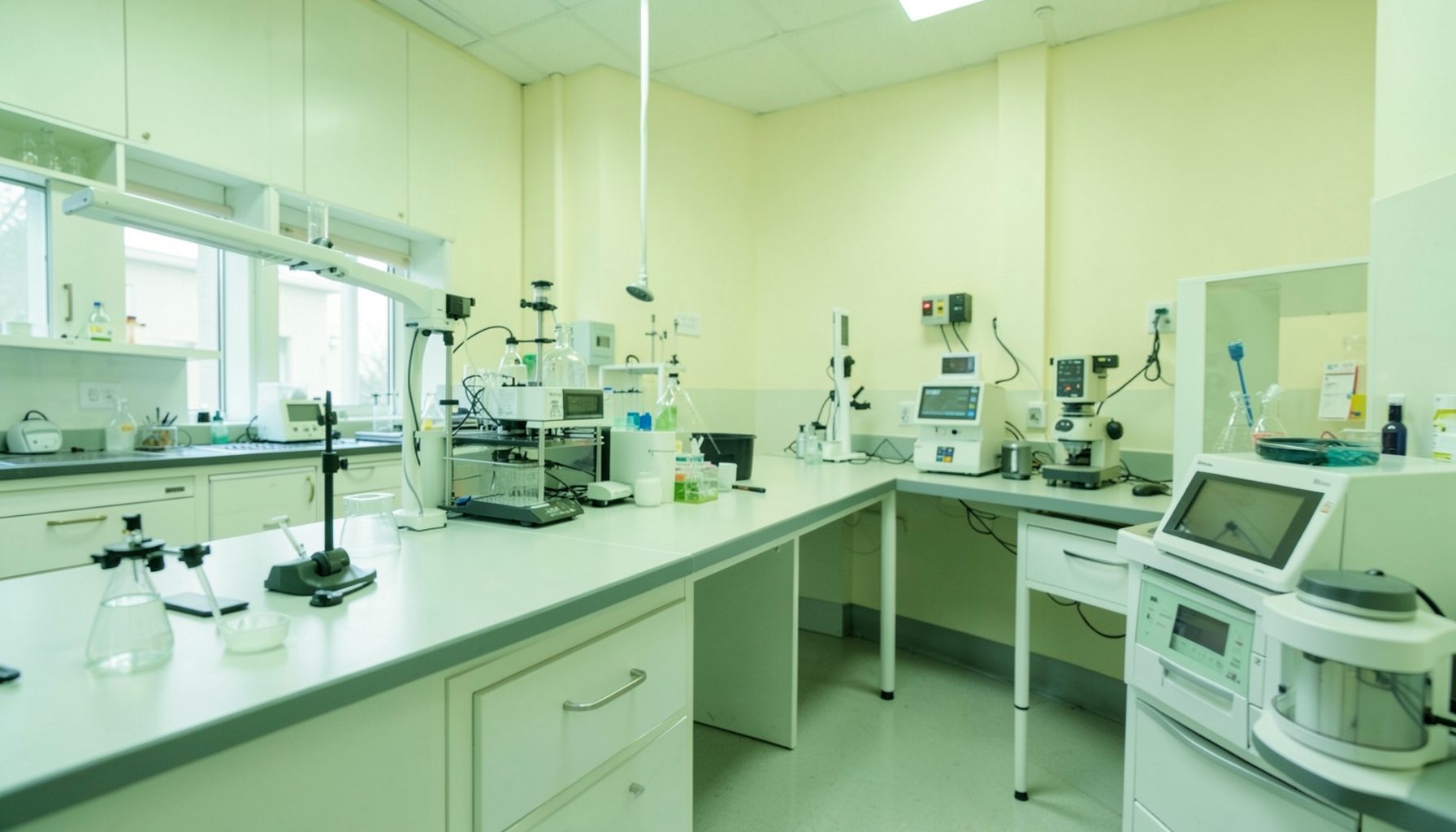
Building a reliable TB laboratory temperature monitoring system
Temperature control is a core part of tuberculosis laboratory quality management. Refrigerators, freezers, incubators, transport boxes and specimen storage areas can all affect the integrity of samples, culture media, reagents and control materials. A monitoring system makes temperature visible, records evidence over time and alerts staff before a small deviation becomes a quality event.
The most effective approach combines suitable sensors, clearly defined alarm thresholds, documented responses and regular review. A digital display alone is not enough. Staff need to know which equipment must be monitored, who receives an alarm, what action is required and how to assess material that may have been exposed to an unsuitable temperature.
For Australian laboratories, the system also needs to work across metropolitan and regional settings. A facility in Sydney may have rapid access to technical support, while a service in the Northern Territory, regional Queensland or Western Australia may need to manage longer supply routes, extreme heat and delayed maintenance. The process should be practical, scalable and consistent with the laboratory’s quality management system.
Map temperature-sensitive processes and equipment
Begin with a register of every location where temperature can influence TB testing. This may include specimen refrigerators, culture incubators, freezers, reagent storage, media preparation areas, transport containers and temporary holding points. Record the equipment identification number, location, temperature range, responsible staff member and backup arrangements.
Do not rely on a single “room temperature” assumption. A refrigerator may remain within range on its display while warmer areas develop near the door or colder zones form at the rear. Incubators can show a setpoint without proving that the chamber is stable. Place calibrated probes where samples or reagents are actually stored, and map the chamber after installation or significant repair.
Classify equipment according to risk. A loss of temperature in a refrigerator containing critical reagents may require immediate quarantine, while a brief excursion in an empty storage unit may have no effect. This risk assessment helps determine monitoring frequency, alarm escalation and the amount of backup capacity required.
Set ranges, limits and alarm delays
Use manufacturer instructions, validated methods, product information and laboratory procedures to establish the normal operating range. Common examples include 2–8 °C for many refrigerated materials, approximately -20 °C for some frozen products and a defined incubator range around the method requirement. These are examples, not universal settings. TB culture systems, reagents and controls may have specific storage conditions that take priority.
Separate the acceptable operating range from the alarm threshold. An alarm should allow enough time for staff to investigate before material becomes unsuitable, but it should not be so narrow that frequent nuisance alerts are ignored. A refrigerator might have an early warning near the upper limit and a critical alarm at a temperature requiring quarantine, with the exact values approved through validation and risk assessment.
Add time criteria as well as temperature criteria. A brief door opening may not justify an alarm, whereas a sustained rise over 15 or 30 minutes may indicate equipment failure. Alarm delays must be tested during commissioning. Document high and low limits, delay periods, sensor tolerance and the person authorised to change them.
Choose monitoring technology that fits the service
A minimum system includes a calibrated thermometer or data logger, a continuous record, an audible or visual alarm and a documented review process. Wireless monitoring can transmit alerts to a phone or central dashboard, while standalone loggers may be more suitable where internet access is unreliable. Battery life, probe placement, signal coverage and data export should be assessed before purchase.
Australian laboratories should consider local operating conditions when selecting equipment. Summer temperatures in Brisbane, Darwin and Perth can place extra demand on cooling systems, while bushfire events or storms may affect power and connectivity. Regional services may need an uninterruptible power supply, spare batteries, a manual backup thermometer and a process for storing data during communication outages.
Check that the device can display Celsius, retain readings during a network interruption and produce an audit trail. Confirm calibration requirements and whether the supplier can provide certificates traceable to recognised standards. A lower-cost monitor may be appropriate, but only if its accuracy, alarm performance and record retention meet the laboratory’s defined needs.
Install, calibrate and verify the system
Install probes according to the equipment map and avoid placing them directly against cooling elements, walls or doors. Label each sensor with a unique identifier that matches the equipment register and electronic record. Keep cables secure and make sure staff can clean around the probe without dislodging it.
Before routine use, compare the monitor with a reference instrument across the expected operating range. Confirm that the alarm activates at the programmed limits, that notifications reach the nominated recipient and that the system records the event correctly. Repeat verification after relocation, sensor replacement, software updates or major equipment servicing.
Calibration should follow the manufacturer’s schedule and the laboratory’s risk assessment. Record calibration date, result, uncertainty where applicable, next due date and any corrective action. If a probe fails calibration, review its historical data and assess whether readings recorded since the last acceptable check can be trusted.
Define the response to an excursion
Every alarm needs a clear response pathway. Staff should first check whether the event is genuine, whether the door is open, whether power has failed and whether the sensor is positioned correctly. They should record the time, highest or lowest temperature, duration, equipment status and immediate action taken.
Materials potentially affected by an excursion should be identified and placed on hold where appropriate. Do not discard samples, reagents or controls automatically. Review product specifications, exposure duration, previous temperature history and the impact on testing. A supervisor or quality officer should authorise release, transfer, further evaluation or disposal.
Use an escalation tree for unattended periods, weekends and public holidays. Australian laboratories may operate across state health networks or provide services outside standard business hours, so an alarm that reaches only one person is vulnerable to leave, roster changes or poor mobile reception. Include a backup contact, facilities support and the person responsible for notifying affected testing areas.
Connect temperature control with broader quality practices
Temperature monitoring works best when integrated with other quality activities. Link excursion records to nonconformity management, equipment maintenance, stock control and internal audits. Review trends rather than waiting for a failure: repeated warm-ups after door opening, gradual freezer drift or alarms concentrated during afternoon heat may point to a preventable problem.
A partnership with a national or state reference laboratory can support interpretation of unusual events, method-specific risks and corrective actions. Australian services that refer testing between public laboratories can use a TB laboratory partnership to clarify responsibilities, escalation routes and technical advice.
Include temperature checks in staff induction and competency assessment. Personnel should be able to acknowledge an alarm, locate the response procedure, identify quarantined material and document the event without relying on one experienced colleague. Keep instructions near the equipment, using plain language and a clear after-hours contact pathway.
Use records to demonstrate control
The monitoring record should show continuous or defined-interval readings, alarms, acknowledgements, corrective actions and final disposition of affected material. Electronic records are useful when they are protected from alteration and backed up. Paper records can still be effective in low-connectivity settings if entries are timely, legible, reviewed and retained according to document control requirements.
Review records at a defined frequency. A daily check may be appropriate for critical equipment, with a weekly or monthly trend review by the quality team. Look for missing readings, repeated excursions, delayed responses and sensors that have not communicated. Trend reports can support replacement decisions and help justify additional refrigeration or backup power.
Temperature control should sit alongside specimen identification and reading standardisation. Clear labels reduce handling errors during transfers and storage; a practical colour-coded labelling system can help staff distinguish specimen categories without replacing unique identifiers. Similarly, a visual smear grading guide can support consistent interpretation while temperature records protect the validity of the testing process.
Implement the system through the GLI Quality Tool’s phased quality management approach. Start with an equipment inventory and risk assessment, then add validated monitors, approved alarm limits, response procedures, staff training and routine review. Use checklists and controlled forms so that the process remains workable for a large metropolitan laboratory as well as a small service with limited resources.
Assign ownership today: nominate the quality lead, inspect each temperature-sensitive unit, verify the alarm contacts and record the current calibration status. A monitored temperature range is valuable only when the laboratory acts on the information, documents the decision and uses each event to strengthen reliable TB testing.