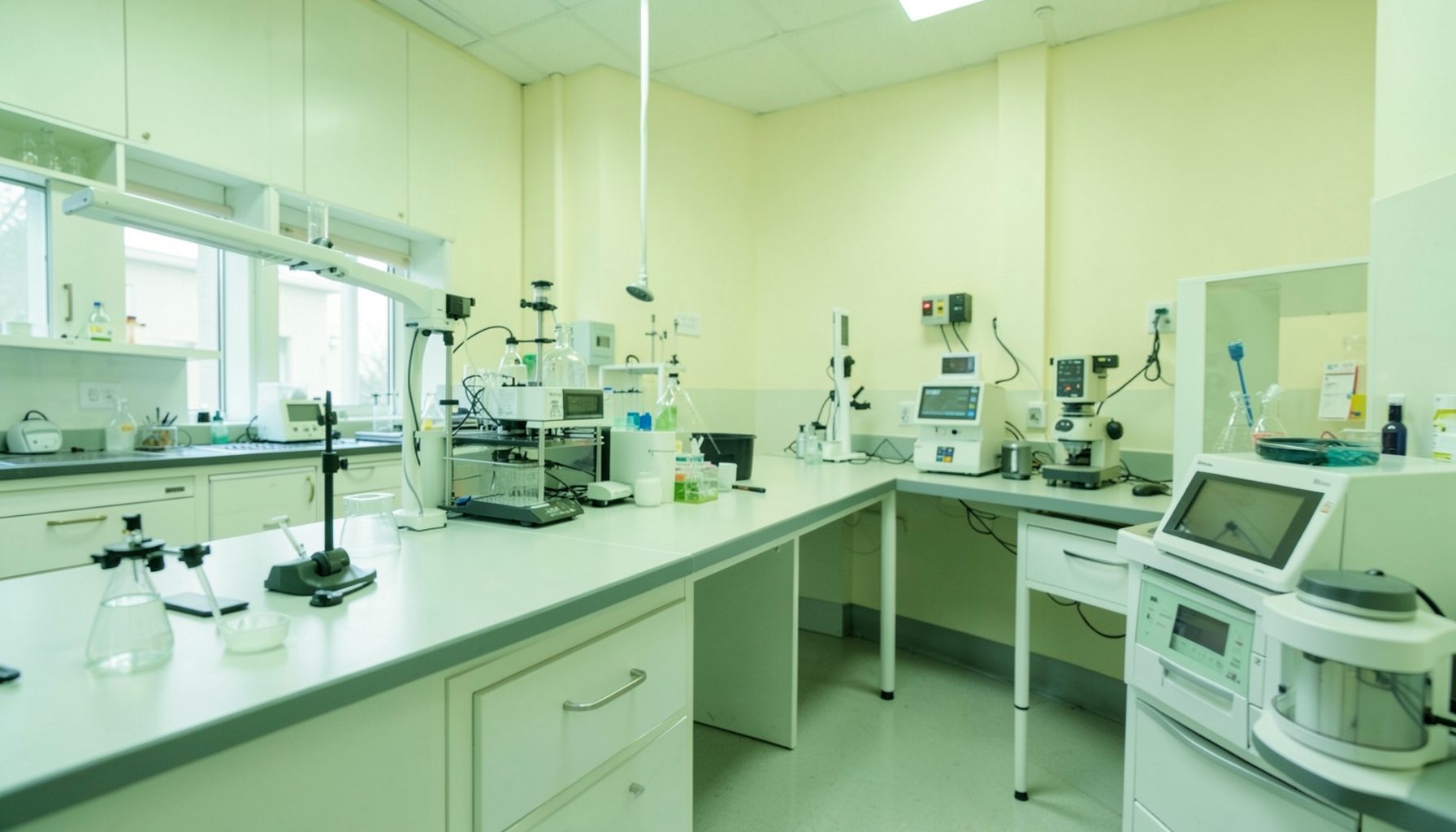
Designing a daily TB laboratory start-up and safety check routine
A wet Monday morning in a pathology lab in Melbourne or a humid shift in Townsville starts the same way for every tuberculosis laboratory: someone flicks on the lights, the building management system hums, and the first set of samples is already in the chute. What happens in those first twenty minutes decides whether the day runs smoothly or whether a small oversight snowballs into a non-conformance. A daily start-up checklist is the practical link between the GLI Quality Tool framework and the lived reality at the bench, and it is also one of the cheapest quality investments a laboratory can make.
TB laboratories across Australia operate in strikingly different settings, from large tertiary referral centres in Sydney or Brisbane to regional services supporting remote communities in the Northern Territory. The common thread is the expectation of reliable, safe work backed by NATA accreditation and the Royal College of Pathologists of Australasia standards. A well-designed morning routine keeps the team aligned with those expectations, catches drifting equipment, and creates a written record that ties directly into quality system essentials such as safety, equipment, and documentation.
Why a morning routine matters before the first sample arrives
A daily start-up checklist is more than a compliance tick-box; it is a rhythm that protects staff, patients, and the laboratory's reputation. When technicians in a busy lab at the Royal Prince Alfred or the Victorian Infectious Diseases Reference Laboratory walk in, they need to know without guessing that the biosafety cabinet has had its overnight purge, that the autoclave is at pressure, and that the staining reagents have not crystallised over the weekend. A structured routine shifts these questions from memory to evidence, and evidence is what auditors look for.
There is also a human factor. Australian labs often run lean teams, sometimes with a single scientist opening on a Saturday. Verbal handovers get forgotten, and a casual "I think it was fine" is not enough when a Class II cabinet fails its airflow test mid-morning. Writing the check down, signing it, and placing it where shift changes occur turns a private habit into a shared discipline that new starters and locums can follow from day one.
Mapping the checklist to the GLI Quality System Essentials
Before drafting any boxes to tick, it helps to anchor each item to one of the twelve Quality System Essentials described in the four-phase roadmap. Safety items belong under "Safety", equipment warm-up and calibration sit inside "Equipment", while temperature logs and reagent records sit under "Process Control" or "Documents and Records". Thinking this way turns a generic safety walk-around into a quality tool that feeds directly into your internal audit programme.
The GLI Quality Tool also encourages laboratories to think about continual improvement, which means the checklist itself should be reviewed at least once a year. When a near-miss happens, such as a temperature excursion in a reagent fridge during a Darwin heatwave, the morning check should be updated so that the next shift picks up the same reading before it becomes a real problem. Phase four of the roadmap offers a useful structure for embedding these reviews into management review meetings, and you can see how laboratories have approached it on the GLI Quality Tool phase 4 page.
Building the safety equipment portion of the checklist
Safety equipment checks are the heart of a TB morning routine, and they fall into clear groups. Personal protective equipment comes first: lab coats, N95 respirators, gloves, and eye protection should be present in the right sizes, in date, and stored where staff can grab them without searching. Eye-wash stations and emergency showers need a quick visual inspection and a recorded flush at the frequency your facility policy demands. In an Australian facility following AS 4775 and AS/NZS 2982 guidance, a weekly flush is common, but the daily check still verifies that the path to the unit is clear and that caps are intact.
Biosafety cabinets and fume hoods are the next priority. The cabinet should be running, the magnehelic or digital pressure gauge should read within the manufacturer's spec, and the alarm set-points should be tested or confirmed. Sash height limits and the absence of clutter around the grille complete the picture. Fire safety equipment deserves attention too: extinguisher tags, exit signage, and the unobstructed path to the emergency door. Finally, sharp disposal containers, spill kits, and the location of the nearest first-aid officer should all be visible from the bench; a quick glance that they are still there is part of the morning drill.
Calibration, reagents and instrument warm-up
Safety equipment is only half the story. Most TB laboratories in Australia run a mix of solid and liquid culture, alongside molecular methods such as GeneXpert or Truenat, and each analyser needs its own warm-up sequence. Centrifuges benefit from a short run-up to confirm rotor balance; microscopes need a Köhler illumination check; incubators should reach their set-point before samples are loaded. Recording these readings in the same log that holds safety checks builds a single, dated narrative of the day.
Reagent and consumable checks sit naturally alongside instrument checks. Ziehl-Neelsen and auramine stains should be at the correct temperature, culture media should be checked for contamination and expiry, and molecular kit stocks need a count against expected workload. In regional labs where deliveries arrive weekly and weather can delay couriers, a simple minimum-two-week stock rule stops a routine morning check from turning into an urgent procurement problem. Any out-of-spec finding is logged as a non-conformance and routed through the laboratory's quality system so it can be trended rather than forgotten.
Documentation, signatures and handover notes
A checklist only delivers value if its records can be retrieved months later, and that means thinking about documentation from day one. Use a controlled form with a version number, store completed sheets in a folder that matches your retention policy, and consider scanning them into the laboratory information system. In Australia, retention rules set by NATA and reinforced by state health departments typically range from two years for routine quality control records to much longer for documents tied to patient results.
Signing matters as well. A check box without an initial tells an auditor nothing about who actually performed the check, and a missing signature is one of the most common findings during RCPA and NATA assessments. Pair the checklist with a short handover note block where the outgoing shift can flag anything unusual: a fridge that drifted overnight, a colleague on light duties, or a courier delayed by a Pacific Highway closure between Brisbane and Sydney. These small notes build institutional memory and reduce the chance of a repeat incident across shifts.
Keeping the checklist alive through staff engagement
Even the best-designed sheet gathers dust if staff do not feel ownership of it. The GLI Quality Tool offers practical guidance on building a culture of quality through everyday communication, and the guide on staff engagement is a useful starting point. Rotating who leads the morning review, celebrating a month of clean start-ups, and inviting feedback during team huddles all help the checklist evolve rather than calcify.
Labs running multiple TB diagnostic platforms under one quality system face an extra challenge: each method has its own quirks, and the morning routine must reflect that. The guide on managing multiple diagnostic methods walks through how to keep those workflows harmonised without overloading the start-up window. A short, focused routine that staff can actually finish in under twenty minutes is far more sustainable than a sprawling form that everyone resents.
If you are reviewing your own morning routine, start small. Pull out the safety and equipment sections, walk them with two members of your team, and write down what is missing. Align each line with a Quality System Essential, file the new sheet under version control, and put a review date on the calendar for three months out. Small, consistent improvements compound, and the daily start-up checklist is where quality really begins each morning in your laboratory.