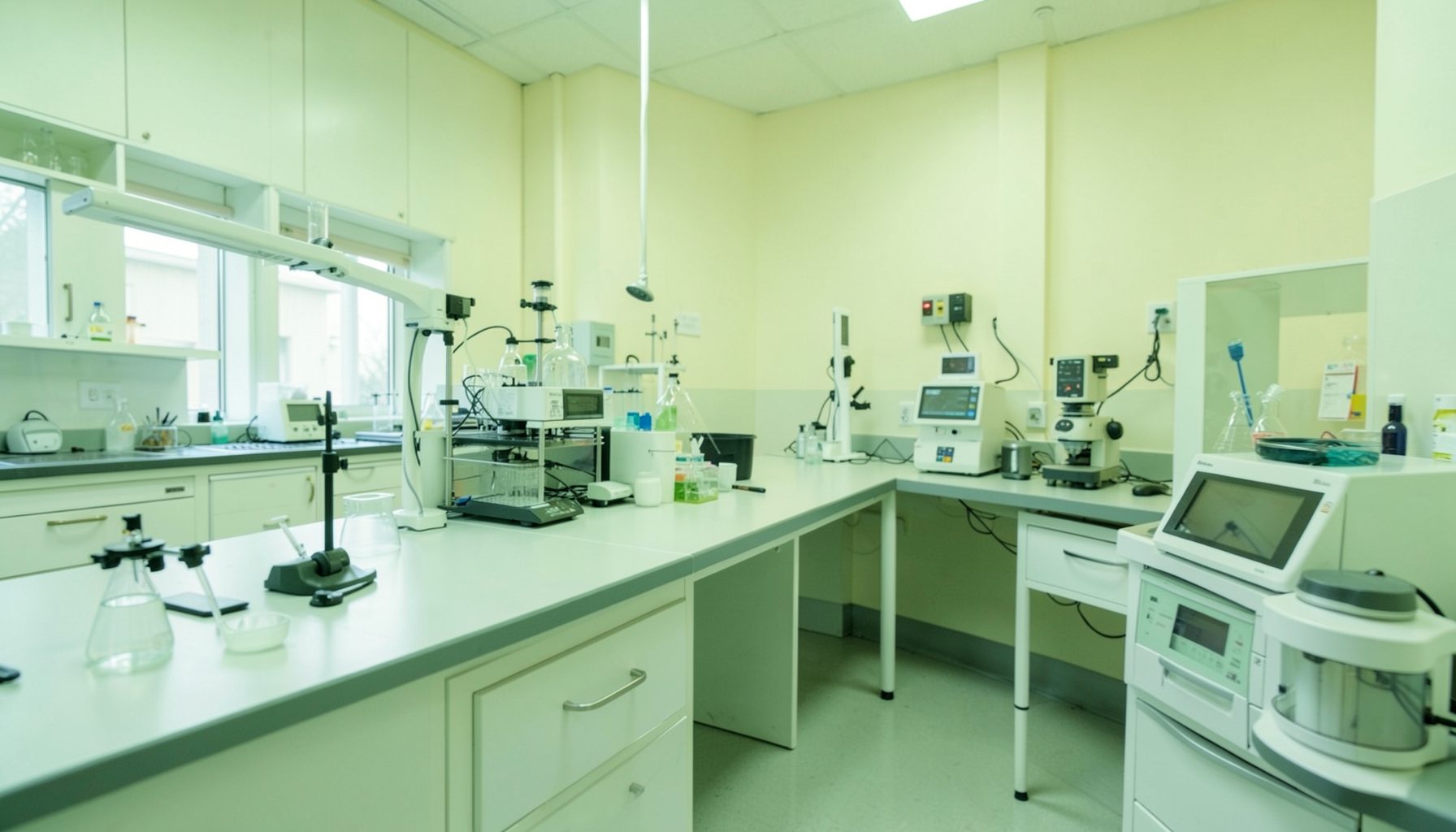
Building A Reliable Calibration Schedule For TB Laboratory Equipment
Reliable equipment underpins every tuberculosis result, from smear microscopy to culture and molecular testing. A temperature excursion, inaccurate pipette, or poorly performing centrifuge can affect specimen integrity and create uncertainty that is difficult to detect after the report has been issued. A written calibration schedule gives the laboratory a practical way to manage those risks.
Calibration is only one part of equipment control. Laboratories also need installation checks, performance verification, preventive maintenance, cleaning, repair records, and clear rules for instruments that fail an acceptance limit. The schedule should connect these activities to the testing process rather than treating calibration as an isolated administrative task.
For Australian laboratories, the system must work across very different conditions: a metropolitan public laboratory in Sydney or Melbourne, a regional service in Townsville, or a remote facility supporting communities across the Northern Territory. It should be workable for a small team, compatible with NATA assessment expectations, and realistic when specialist service engineers may be several days away.
Define What Calibration Means In Your Laboratory
Calibration compares an instrument’s measurement with a recognised reference and documents the relationship between the two. Verification confirms that the instrument performs acceptably for its intended use, while maintenance keeps it functioning safely and reliably. These terms should be defined in the quality manual so staff do not assume that a service sticker proves the instrument is fit for testing.
Begin with the quality risks associated with each process. A pipette used to prepare a molecular assay may require tighter control than a general-purpose dispenser. A refrigerator storing reagents may need continuous temperature monitoring, while an incubator used for mycobacterial culture requires documented uniformity and alarm checks. The GLI phase guidance can help a laboratory establish the basic quality management structure before setting detailed equipment controls.
Consider the consequence of an incorrect result, the instrument’s stability, frequency of use, manufacturer instructions, previous failures, and the quality of available reference standards. A risk rating can then place equipment into high, medium, or low priority groups. Critical instruments should receive shorter review intervals and stronger backup arrangements.
Create A Complete Equipment Register
The register should include every instrument that can affect a TB result, specimen condition, staff safety, or environmental control. Record the asset number, manufacturer, model, serial number, location, responsible person, date placed into service, intended use, and current status. Include loan, leased, shared, and portable equipment; these are often missed when ownership is unclear.
Typical entries include biological safety cabinets, autoclaves, incubators, centrifuges, microscopes, balances, pipettes, thermometers, temperature data loggers, refrigerators, freezers, water baths, and molecular platforms. For a culture laboratory, also consider timers, gas systems, pressure gauges, and devices used to monitor decontamination processes.
Assign an equipment owner and a technical custodian. The owner ensures the instrument remains within the programme, while the custodian checks daily or weekly records and reports problems. In a busy state service, this division prevents the quality manager from becoming the only person who knows what is due.
Set Intervals Using Evidence And Risk
Avoid assigning every device an annual calibration date simply because that is familiar. A fixed yearly interval may be excessive for stable equipment and insufficient for instruments that drift quickly or operate in harsh conditions. Start with the manufacturer’s recommendation, then adjust it using local history, workload, environmental conditions, and the impact of failure.
A new instrument should usually undergo acceptance testing before routine use. After that, the laboratory may use a six-month, twelve-month, or other interval, provided the decision is justified. High-use pipettes, temperature sensors exposed to frequent movement, and equipment with repeated out-of-tolerance results may need a shorter cycle. A documented risk assessment is more defensible than an arbitrary date.
Use the quality checklists to identify gaps in equipment control, records, and assessment activities. The schedule should also specify the reference standard, test points, acceptance criteria, responsible person, service provider, and what happens if the instrument does not pass.
Match Instruments To Suitable Controls
Different devices require different evidence. A pipette may need gravimetric testing across several volumes, while a refrigerator needs temperature mapping, alarm verification, and routine monitoring. A Class II biological safety cabinet requires certification of airflow, filter performance, containment, and alarms by a competent provider. An autoclave needs cycle parameter checks, physical monitoring, and appropriate biological or chemical indicators according to the laboratory’s procedure.
| Equipment or control | Typical evidence | Suggested review focus |
|---|---|---|
| Pipettes and dispensers | Gravimetric volume check and service record | Accuracy, precision, seals, tip fit |
| Incubators and refrigerators | Temperature mapping, alarm test, daily monitoring | Uniformity, excursions, probe position |
| Centrifuges | Speed verification, timer check, rotor inspection | RPM, run time, imbalance protection |
| Balances | Traceable weight check and repeatability test | Level, cleanliness, drift |
| Autoclaves | Cycle records and performance indicators | Temperature, pressure, exposure time |
| Biosafety cabinets | Certified containment and airflow test | Airflow, alarms, filters, cabinet condition |
| Molecular analysers | Manufacturer verification and internal controls | Calibration status, software, control trends |
The word “calibration” should not be used as a catch-all. A biosafety cabinet certification is not the same as calibrating a thermometer, and an internal quality control result does not replace a formal instrument check. Naming the evidence correctly makes audits easier and helps staff select the right response when a result is unsatisfactory.
Build The Schedule Around Laboratory Work
A usable schedule should show what is due, when it is due, who performs it, and where the result is recorded. A spreadsheet may be sufficient for a small laboratory, provided it has controlled access, version history, automatic reminders, and a reliable backup. Larger services may connect equipment records to a laboratory information system or maintenance platform.
Separate activities by frequency. Daily checks might include refrigerator temperatures, incubator readings, centrifuge condition, and cabinet alarms. Monthly or quarterly tasks may include review of trend data, thermometer comparison, balance checks, and inspection of cords, seals, rotors, and filters. Annual or risk-based tasks may include external calibration, cabinet certification, temperature mapping, and full preventive maintenance.
Plan around Australian operating realities. A regional laboratory in Western Australia may need to book a visiting technician well ahead of time, while a metropolitan service might use an on-site contract. Before a public holiday period or the wet season in Far North Queensland, confirm spare capacity, courier arrangements, backup instruments, and access to accredited service providers. A due date is useful only if the work can actually be completed.
Manage Failures And Out-Of-Tolerance Results
Every procedure should state what staff do when an instrument fails, is overdue, or produces a result outside its acceptance range. Label it clearly, remove it from service where necessary, and notify the equipment owner and quality manager. Do not quietly adjust a value or continue testing because the instrument is needed urgently.
Assess the period since the last acceptable check. Review affected specimens, control results, maintenance records, environmental data, and reports already released. The laboratory may need to repeat testing, qualify results, contact clinicians, or issue a corrected report. The decision and its scientific rationale must be recorded.
For recurring failures or a contamination event, use a structured investigation rather than blaming an operator. A root cause guide can support analysis of equipment, workflow, environment, training, and documentation. Corrective action might involve replacing a sensor, changing the interval, improving storage, retraining staff, or redesigning the process.
Keep Traceable Records And Competence
Each calibration or verification record should identify the instrument, date, location, method, reference standard, test results, acceptance limits, person or provider completing the work, and next due date. Keep certificates from external providers and confirm that their scope and traceability are suitable for the measurement involved. Where Australian accreditation is relevant, retain evidence that the service meets the laboratory’s requirements.
Place a status label on equipment showing its identification, current state, and due date, while keeping the detailed record in the controlled system. A label must never be the only evidence. If an instrument moves between laboratories, the receiving site should confirm its status, transport conditions, and suitability before use.
Staff should be trained in routine checks, recognising alarms, recording results, and escalating faults. Competence assessment can include observation, review of completed records, and response to a simulated out-of-tolerance result. This is especially important when casual, rotating, or cross-trained staff support services in smaller Australian facilities.
Review The Programme And Improve It
At least annually, review missed due dates, failures, service costs, downtime, temperature excursions, repeat testing, and complaints. Look for patterns by instrument model, location, operator, or season. A cluster of refrigerator alarms during summer may indicate poor ventilation or ageing equipment rather than a simple need for more frequent calibration.
Use the review to adjust intervals and resources. A well-performing instrument may be eligible for a longer interval if the change is justified and approved, while a device with repeated drift may need replacement. Include calibration performance in management review so leaders can budget for service contracts, reference standards, backup equipment, and staff time.
The finished schedule should be simple enough to use during a busy shift and detailed enough to withstand technical review. Approve it through document control, communicate responsibilities, and check that overdue work generates visible action rather than a hidden spreadsheet warning.
Start by listing every instrument that can influence a TB result or laboratory safety, then rate each item by risk and assign an owner. Turn those decisions into a controlled calendar with reminders, acceptance limits, traceable records, and a documented response to failure. A practical schedule built around local workload and service access will protect results, support staff, and make quality improvement part of routine laboratory work.