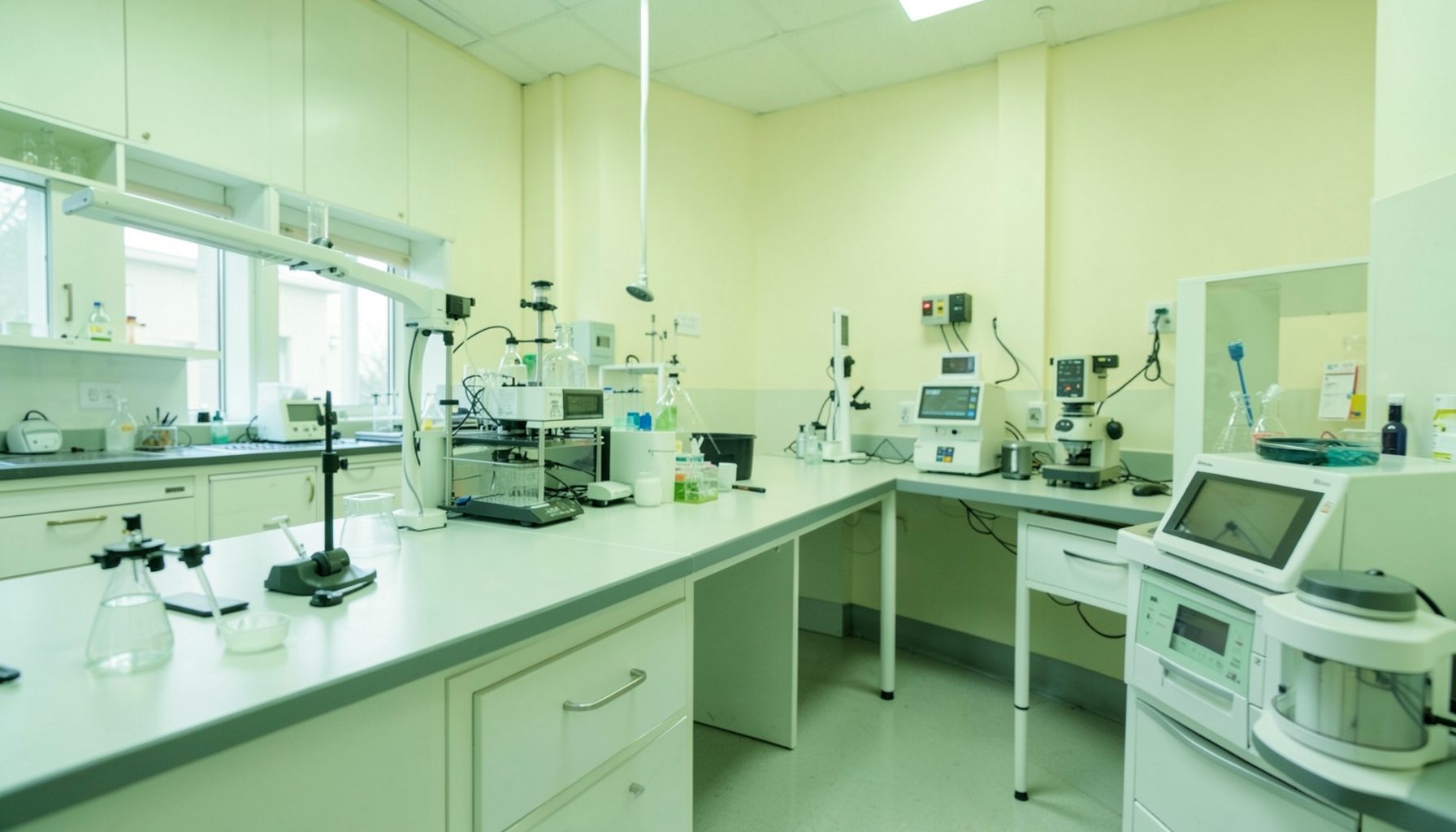
Designing a TB Laboratory Equipment Inventory Sheet
A TB laboratory equipment inventory sheet is more than a list of machines. It is a controlled record showing what equipment the laboratory owns or uses, where it is located, who is responsible for it, and whether it is safe and fit for testing. When calibration due dates are visible and maintained, staff can act before an instrument becomes a source of unreliable results.
The sheet should support daily work without creating another complicated administrative task. A scientist preparing a batch in Melbourne, a quality officer reviewing records in Sydney, or a regional team managing equipment in northern Australia should be able to identify an instrument quickly and understand its current status.
For Australian laboratories, the register should also support expectations associated with ISO 15189 and NATA accreditation. Workplace health and safety duties, manufacturer instructions, service contracts, and local procedures all influence how equipment is controlled. A clear inventory helps connect these requirements in one practical record.
The GLI Quality Tool’s four-phase roadmap and twelve Quality Systems Essentials provide a useful framework for building this control gradually. Equipment management should link with documentation, personnel, laboratory safety, assessment, and continual improvement rather than sitting apart from the quality management system.
Define The Purpose And Scope
Begin by deciding what the inventory must control. Include major analysers, biosafety cabinets, centrifuges, refrigerators, freezers, incubators, autoclaves, microscopes, balances, pipettes, thermometers, computers attached to instruments, and any device that can affect specimen integrity or test results. Include essential support equipment, such as temperature monitoring devices and uninterruptible power supplies, when failure could interrupt testing.
The register should cover equipment owned by the laboratory, leased instruments, loan equipment, and devices shared with another department. A GeneXpert or molecular platform may be supplied under a service agreement, while a pipette may be purchased locally and calibrated separately. Both still need an identifiable record. Record the asset’s status as active, quarantined, under repair, retired, or awaiting disposal.
Give every item a unique asset identification number. A short code such as TB-MOL-004 or TB-COLD-012 is easier to use than a serial number alone. The serial number, model, manufacturer, purchase date, supplier, and warranty details should remain in separate fields. If a barcode or QR label is practical, attach it where it will remain readable and will not interfere with decontamination.
Choose Fields That Support Decisions
At minimum, include the asset ID, equipment category, description, manufacturer, model, serial number, laboratory location, responsible person, operational status, and date placed into service. Location should be specific enough to find the equipment, such as “Molecular Room, Level 2” rather than simply “laboratory.”
Calibration control needs more detail than one column marked “calibrated.” Add the calibration requirement, last calibration date, next calibration due date, calibration provider, certificate number, certificate location, and result or acceptance status. A separate field for verification or performance checking is useful because calibration and routine verification are different activities. For example, a refrigerator may require calibrated temperature monitoring, daily temperature checks, and an annual service inspection.
Use the Australian date format, such as 14/08/2026, for staff-facing records, while storing dates in a consistent spreadsheet format that can be sorted correctly. Add the date the record was last reviewed and the initials of the person who updated it. These fields create an audit trail and make it easier to identify stale records.
A useful register also includes risk and contingency information. Record whether the equipment is critical to testing, what happens if it fails, and whether a backup is available. A failed centrifuge may delay processing, while a failed freezer could threaten stored specimens. Linking the asset to a maintenance procedure, risk assessment, or incident record gives the inventory greater value during an internal audit.
Set Reliable Calibration Due Dates
Do not assign the same calibration interval to every instrument. Use the manufacturer’s instructions, previous calibration performance, frequency of use, environmental conditions, risk to patient or public health, and advice from a competent calibration provider. A heavily used pipette may need a different interval from an infrequently used balance. Instruments exposed to vibration, temperature changes, dust, or frequent transport may require closer attention.
For equipment used in TB testing, consider the consequences of inaccurate performance. Incorrect temperatures can affect cultures and reagent storage. An unreliable pipette can influence molecular assay preparation. A poorly maintained biosafety cabinet may create a safety risk, although cabinet certification is generally a specialised testing and certification activity rather than ordinary calibration.
Calculate the next due date from the approved interval and the last acceptable calibration date. Avoid manually typing dates in several places because this creates conflicting records. In a spreadsheet, a formula can calculate the due date from the last calibration date and interval in months. Protect formula cells and restrict editing rights so that staff do not accidentally overwrite them.
Use conditional formatting to make action visible. For example, show equipment due within 30 days in amber, overdue equipment in red, and equipment with a completed current calibration in green. Set an owner for the monthly review. The owner should check certificates, upcoming deadlines, equipment status, and any items that cannot be used until calibration or service is complete.
Calibration providers should be selected carefully. In Australia, laboratories may use NATA-accredited providers where the relevant scope is available, or another technically competent provider supported by documented justification. Keep the certificate with the register reference. If a supplier has long lead times or services equipment only during scheduled visits, book early rather than waiting for the due month.
Control Changes, Failures And Records
The inventory should show what happens when equipment fails, is moved, or receives a major repair. Add fields for fault date, corrective action, service date, return-to-use approval, and the person who authorised release. Equipment that may produce questionable results should be clearly labelled and removed from service until its performance is assessed.
Record calibration failures and out-of-tolerance findings with enough detail to support an impact assessment. The laboratory may need to review results produced since the last acceptable check, notify a supervisor, repeat testing, or contact affected users. The exact response will depend on the equipment, test method, risk, and laboratory procedure.
Staff changes can weaken equipment control when responsibilities are informal. Assign ownership by role rather than relying on one individual’s memory. A staff member transferring from Perth to Brisbane, taking extended leave, or leaving a regional service should have their equipment duties handed over. The GLI resource on staff retention analysis can help laboratories consider how workforce movement affects continuity of quality tasks.
Every change to the sheet should be traceable. Keep an electronic version in a controlled location with restricted permissions and regular backup. If a paper copy is used near equipment, mark it as a controlled working copy and define how often it is reconciled with the master register. Do not store calibration certificates only in an individual employee’s email or on a local computer.
Build A Review Routine That Works
A register remains reliable when it is part of ordinary laboratory habits. A monthly review can be scheduled alongside stocktake, temperature record checks, or quality meetings. In many Australian workplaces, a short review at the start of the week or during a regular team meeting is more sustainable than an annual paperwork exercise.
The reviewer should compare the sheet with the physical laboratory. Check that labels are present, locations are accurate, instruments are being used by authorised staff, and retired items have not been left in service areas. This is especially important when equipment moves between metropolitan laboratories and regional or remote sites, where freight, installation, and service visits may take longer.
Keep evidence of review, such as a dated electronic approval, meeting record, or completed checklist. The downloadable GLI materials can support a phased approach to documenting equipment controls and related quality activities. Use the materials as working tools, then adapt them to the laboratory’s equipment, staffing, and operating environment.
Recommendations For A Practical Register
- Use one unique asset ID for every item and place a durable label on the equipment.
- Separate calibration, verification, servicing, certification, and maintenance dates.
- Set automatic reminders for equipment due within 30, 60, or 90 days.
- Link each asset to its certificate, procedure, risk assessment, and fault history.
- Review the physical laboratory against the electronic register at least monthly.
- Define quarantine and return-to-use steps for failed or overdue equipment.
A well-designed TB lab equipment inventory sheet with calibration due dates should make the right action obvious. Start by listing every device that can affect testing, assign ownership, verify the dates against certificates and manufacturer requirements, and introduce a short monthly review. Once the basic register is stable, use audit findings and equipment failures to refine intervals, responsibilities, and contingency plans.