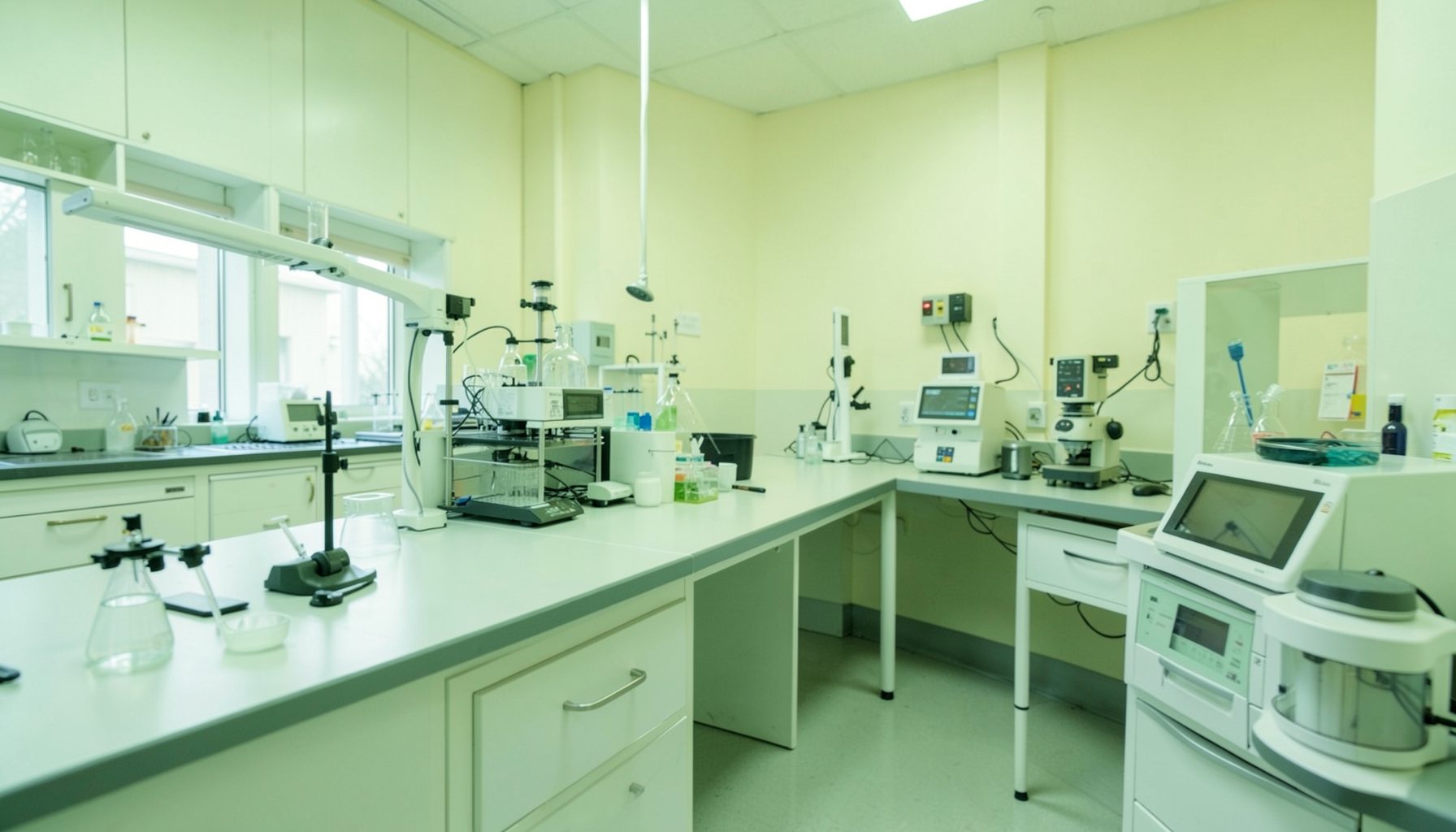
Building a TB Laboratory Quality Culture Through Daily Team Huddles
A strong tuberculosis laboratory quality culture is built through repeated behaviours, clear communication and shared accountability. Daily team huddles provide a practical way to turn quality management from a set of documents into something staff use when receiving specimens, running tests, reviewing results and responding to risks.
For Australian laboratories, this approach can connect routine bench work with the GLI Quality Tool’s four-phase roadmap and twelve Quality Systems Essentials. A short, structured meeting can support biosafety, personnel competency, equipment management, documentation, assessment and continual improvement across metropolitan, regional and remote services.
| Approach | Main purpose | Typical result |
|---|---|---|
| Informal update | Share urgent information | Staff hear news but actions may be unclear |
| Long weekly meeting | Review many issues at once | Detailed discussion, limited daily visibility |
| Daily quality huddle | Identify risks and assign actions | Fast escalation, traceable follow-up and shared learning |
Make The Huddle A Reliable Work Habit
A huddle should take place at the same time and location whenever possible, usually before the busiest period of specimen processing. Ten minutes is enough when the agenda is familiar. Staff can stand near the work area or meet through a secure video link when a regional scientist, courier coordinator or public health partner is working elsewhere.
The meeting is not a performance inspection. It is a safety and coordination check. The facilitator asks what could affect the accuracy, timeliness or safety of today’s work, then records only the decisions that need follow-up. A rotating chair gives medical scientists, technicians, assistants and trainees an opportunity to lead.
Australian laboratories may need to adapt the routine to shift work, school-hour transport patterns and long distances. A service receiving specimens from rural Western Australia, northern Queensland or the Northern Territory may need a second huddle when transport arrives, while a Melbourne or Sydney laboratory may use one morning meeting to coordinate several benches.
Connect Daily Work To Quality Essentials
Each huddle should connect to one or two Quality Systems Essentials rather than attempting to cover the entire management system. A Monday focus might be personnel competency, Tuesday equipment and Wednesday documents. The rotation keeps important topics visible without turning the meeting into a lecture.
For example, a discussion about a delayed culture can cover organisation, customer focus, process management and assessment. The team can ask whether the delay came from specimen transport, equipment downtime, an unclear SOP or incomplete clinical information. This turns an isolated event into a controlled quality improvement activity.
A simple board can show the day’s risk, owner, due date and status. It should not display patient-identifiable information. When staff see that a concern raised on Tuesday is assigned, investigated and closed, they learn that reporting a problem leads to improvement rather than blame.
Start With Safety And Specimen Flow
TB work requires disciplined attention to aerosol risks, containment, respiratory protection, decontamination and safe waste handling. The huddle can confirm that the relevant biological safety cabinet is available, maintenance is current, spill supplies are present and staff know how to escalate an exposure or instrument fault.
Specimen flow deserves equal attention. Staff can review expected workload, urgent requests, rejected specimens, transport interruptions and any unusual sample types. In Australia, public laboratories may receive specimens by courier from large catchment areas, and a missed transport run can affect turnaround time well before the sample reaches the bench.
The meeting should also reinforce local work health and safety obligations. Requirements differ across jurisdictions, so a laboratory in New South Wales, Victoria or Queensland should align its huddle prompts with its employer’s WHS system, risk assessments and incident reporting process. The huddle supports those systems; it does not replace formal reporting.
Use Verification To Protect Results
Result accuracy depends on controlled steps at the point of testing, review and release. A huddle can highlight tests requiring particular attention, recent competency observations, instrument flags, contamination trends or changes to a validated method. Staff should discuss the process, not disclose patient details in an open area.
For high-consequence TB results, the team can reinforce who performs technical review, who authorises release and how disagreements are resolved. A documented two-person verification guide can help laboratories define independent checks for critical test results and reduce the risk of transcription or interpretation errors.
Verification should remain proportionate to the risk. The purpose is not to create unnecessary duplication for every task, but to make safeguards reliable where a wrong or delayed result could affect treatment, infection control or contact investigation. Huddles are a useful place to identify when the process is being bypassed and why.
Build A Shared Communication Routine
TB diagnosis often involves laboratory staff, clinicians, infection prevention teams, public health units and transport providers. A huddle can identify which results require immediate communication, who is responsible for contacting the clinical team and how the communication will be recorded in the laboratory information system.
The process should define escalation for urgent positive findings, unexpected resistance patterns, inconclusive results, instrument failures and specimens that need recollection. Staff need access to current contact details, approved communication channels and an agreed read-back method for verbal reports. Personal mobile messaging should not become an informal substitute for an approved system.
A practical communication protocol guide can help clarify the relationship between TB laboratory staff and clinicians. This is especially important in regional services where the requesting clinician may be in a different town and the laboratory may depend on a public health liaison for escalation.
Turn Small Signals Into Improvement
Daily huddles are effective when the team tracks patterns rather than collecting anecdotes. Useful measures include specimen rejection, incomplete request forms, delayed transport, invalid molecular tests, contamination, equipment downtime, amended reports and time from result authorisation to clinical notification.
A run chart or monthly dashboard can show whether an intervention is working. If incomplete forms increase after a new electronic ordering workflow, the team might revise the request instructions and contact the relevant clinical area. If transport delays occur every Friday afternoon, the laboratory can work with the courier service and referring sites on a practical change.
Local context matters. Australia has a relatively low TB incidence compared with many countries, so case numbers may be small and trends can be easy to miss. A single event should still be assessed carefully, while interpretation should account for seasonal respiratory demand, referral patterns and the needs of Aboriginal and Torres Strait Islander communities, including remote access to timely testing.
Make Huddles Inclusive And Action Focused
A quality culture depends on psychological safety: staff must be able to raise a concern without fear of embarrassment or retaliation. The chair should thank the person who identifies a risk, separate human error from system weakness and ask what control would make the safe action easier next time.
The huddle also supports competency development. New staff can hear why a step matters, experienced staff can share practical knowledge, and supervisors can identify training needs without waiting for an annual review. This is valuable in a competitive Australian pathology workforce, where recruitment, relief staffing and retention can affect continuity.
Practical Huddle Rules
- Keep the meeting to ten or fifteen minutes and move complex investigations to a separate session.
- Discuss one safety concern, one workload or service issue and one quality action.
- Name an owner and due date for every action that requires follow-up.
- Protect privacy by excluding patient identifiers from shared boards and open discussions.
- Review yesterday’s actions before adding new ones, then close completed items visibly.
Sustain The Practice Through Leadership
Leadership should provide time, a reliable recording method and authority for staff to escalate issues. If supervisors cancel huddles whenever workload rises, staff learn that quality is optional. If leaders attend every meeting and dominate discussion, staff may stop contributing. The most effective approach gives the team structure while allowing frontline expertise to shape priorities.
The laboratory can review huddle performance during internal audits or management review. Useful questions include whether meetings occurred as planned, whether actions were closed on time, whether repeated issues were analysed and whether staff believe the routine improves safety. Evidence may include attendance, action logs, trend data and examples of corrective action.
The GLI Quality Tool can help laboratories move from initial planning to implementation, monitoring and continual improvement. Downloadable checklists and phase-specific guidance can provide a common framework for deciding which huddle prompts are essential now and which can be introduced as the quality management system matures.
Begin with one bench or one shift, agree on a short agenda and record the first improvement action. Within weeks, the huddle can become a dependable link between daily TB testing and the laboratory’s wider quality system—helping Australian teams spot risks earlier, communicate clearly and protect every result released to care.