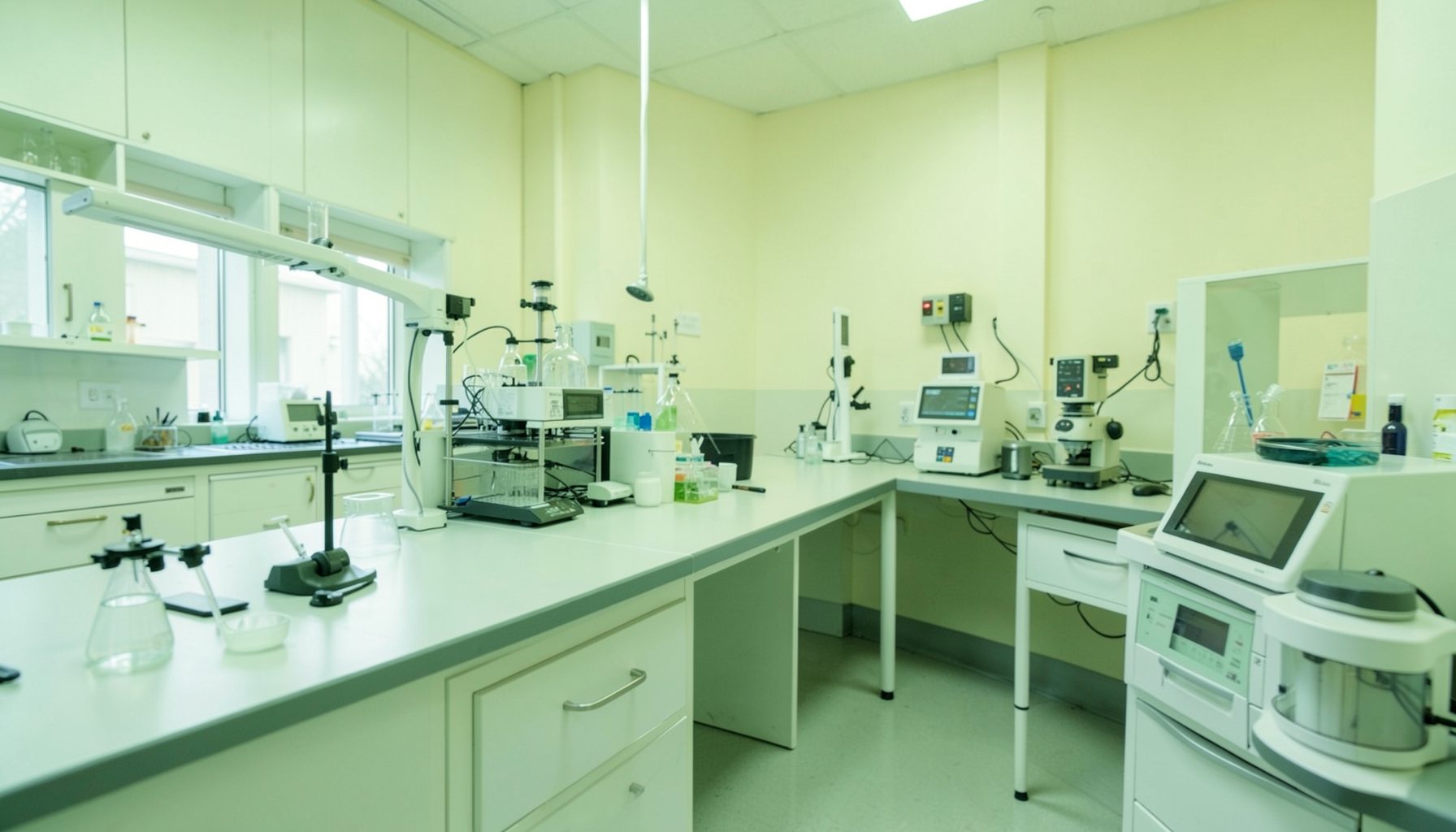
Build a TB specimen collection module for clinic teams
Start with the service pathway. Developing a TB lab specimen collection training module for clinic nurses and community workers should reflect what happens from a clinician’s request to safe receipt of the specimen in the laboratory. Clinic staff may be the first people to explain a sputum test to someone who is unwell, unfamiliar with hospital procedures or travelling a long distance for diagnosis. The module must make safe respiratory specimen collection, clear labelling, prompt transport and respectful communication feel like one continuous task.
Australian implementation should account for varied settings. Public tuberculosis programs operate in cities including Sydney, Melbourne and Brisbane, while services also support remote communities around Alice Springs and in northern Western Australia. Travel distances, summer heat, limited internet, multilingual populations and local cultural protocols affect education and specimen movement. Australia’s mixed public and private pathology market, Medicare-funded diagnostic pathways, state-funded communicable disease services and national medical-supply distributors mean there is no single kit, staffing model or transport system. Build one core module, then add approved local contacts, forms and logistics.
| Service point | Clinic nurse or community worker | TB laboratory |
|---|---|---|
| Order | Confirm the request, explain the test and arrange supplies | Issue approved collection instructions and criteria |
| Collection | Use infection control, supervise sputum production and seal the container | Advise adequacy and answer collection questions |
| Identification | Use two identifiers and label immediately | Verify details and manage discrepancies |
| Transport | Pack, store and dispatch under local conditions | Receive, log, assess and process the specimen |
| Handover | Record collection details and escalate problems | Confirm receipt, conditions and any rejection |
Define the audience and workflow
Define the shared goal: obtain an adequate, correctly identified sputum specimen without avoidable exposure or delay. Write outcomes in observable terms. Learners should confirm an order, explain preparation, use infection-control measures, recognise an unsuitable sample, label the container, complete the transport record and escalate a problem. Cover other respiratory specimens only where local pathways define them; children, inpatients and people unable to expectorate need separate protocols.
Separate scope. Nurses may assess suitability, order collection and perform or supervise it. Community workers may prepare clients, support adherence, arrange transport and reinforce aftercare, but should not interpret smears, decide culture results or act outside their training. Give clear stop-and-call criteria for heavy bleeding, severe breathing distress, an unusable specimen, missing identifiers, a leaking container or a missed transport deadline. This protects clients and avoids unsupported clinical decisions.
Map the module to the service. Workshops with clinic nurses, community workers, Aboriginal health workers, laboratory staff, interpreters, infection-control personnel and courier coordinators reveal where instructions fail. A same-day collection may be straightforward in metropolitan Melbourne; a remote service may rely on a multi-day route and local drivers. Collect opening hours, specimen-receipt times, replacement-container arrangements and escalation contacts before the practical session.
Build practical learning activities
Teach the pre-examination phase in sequence. Include order checking, consent, a plain-language explanation, two approved patient identifiers, hand hygiene, appropriate PPE and a well-ventilated collection space. Demonstrate how to ask a client to cough and expectorate into a laboratory-approved leakproof container, then close it without touching the inside. Use a manikin, video or safe demonstration specimen and a visual job aid. Let learners rehearse the explanation and teach-back; a technically correct collection still fails when the client does not understand what is happening.
Make specimen quality visible. Participants should distinguish mucopurulent sputum, meaning mucus with pus, from saliva, water and food debris. They should record the volume obtained and follow local instructions for repeat collection or additional specimens. Never label an empty container in advance. Label immediately after collection with two identifiers, patient name, date and time, and collector details, while preserving legibility and confidentiality. Misidentified or non-conforming specimens need a documented rejection or recollection process.
Connect collection with downstream laboratory work. For staff teaching what happens after transport, the Global Laboratory Initiative’s TB culture media guidance shows how handling and storage link the pre-analytical phase to culture media. Keep the bridge brief: clinic staff need to know why prompt delivery, stable temperature and clean documentation matter, not how to prepare media themselves. Clinical and laboratory leads should verify handling conditions against current protocols.
Design a resilient transport activity using local services. Participants can sort labels, complete a chain-of-custody form, load an approved container into a cool box and respond to a temperature excursion or broken seal. Australian medical-supply distributors and local pharmacies can support restocking, but each clinic needs a monitored stock list and a named ordering contact. Domestic transfers require approved packaging and courier documentation. International shipment for reference testing must be arranged through the receiving laboratory because Customs, dangerous-goods and biosecurity rules make improvised clinic posting unsuitable.
Teach safety, quality and cultural care
Place infection prevention within every lesson. Explain when sputum collection creates aerosol risk, how ventilation, patient positioning, cough etiquette, hand hygiene and correct PPE reduce it, and where clinical waste belongs. Training rooms should follow service infection-control standards. Offer a safe alternative for people who cannot cough productively, and never encourage prolonged coughing in an unsafe setting. Heat, dust and weather in northern and central Australia can affect mobile collection plans, so assess any location outside a clinical area.
Build cultural safety into content and delivery. Local customs about family involvement, privacy, gender, smoking, shared housing and movement through community spaces can influence collection. Co-design with Aboriginal and Torres Strait Islander health workers and communities, and use interpreters instead of children or relatives for technical information. Hesitation requires listening and accommodation within policy, not blame. Check translated job aids after every policy update.
Use different teaching methods for different roles. Nurses may benefit from bedside demonstrations and infection-control scenarios; community workers often need conversational prompts, home-visit practice and clear referral routes. Offer short offline materials, large-print cards and an audio version for teams with intermittent connectivity, keeping digital participation optional. Community workers should practise explaining the test, arranging follow-up and recognising urgent symptoms without drifting into diagnosis.
Assess competence and protect specimen quality
Assess competence, not attendance. Combine a short knowledge check with observed collection, labelling and handover tasks. Assess the explanation to a simulated client, PPE sequence, identification checks, response to an inadequate specimen and transport records. Use a structured checklist and define the standard before training. Nurses who collect independently require direct observation at defined intervals; community workers need role-specific observation and a supervisor. Trigger reassessment after a serious incident, repeated rejected specimens, a long absence or a procedure change.
Use routine laboratory data to test whether training changes practice. Monitor rejected or non-conforming specimens, missing labels, delayed arrivals, temperature deviations, stockouts and client experiences. Compare results by clinic and collection site, then review them with staff in a non-punitive quality meeting. The GLI Phase 4 resources can support this improvement cycle by linking audit evidence to action plans, review and re-testing. Examine workload, supplies and client barriers rather than ranking individual workers from rejection rates.
Document the training system. Keep the learner handout, facilitator guide, competency checklist, answer key, version number, attendance record and corrective actions in a controlled file. Map evidence to the GLI Quality Tool’s four-phase roadmap and relevant Quality Systems Essentials, including safety, personnel, equipment, documents, assessment and continual improvement. Record which local SOP, request form and transport instruction were current at sign-off, and schedule review yearly or whenever controlled documents change.
Pilot the module and sustain improvement
Pilot before full rollout. Run the module with a small group from a metropolitan clinic, a rural service and a community team serving culturally and linguistically diverse communities. Ask learners to identify unclear steps, missing supplies and unrealistic referral times. Observe a real collection workflow where feasible, then revise the job aids, scenarios and competency standard. The pilot is complete when facilitators teach consistently, learners perform assigned tasks and the laboratory can document handover without extra clarification.
Prepare the service to use the module. Appoint clinical and laboratory owners, train local facilitators, stock approved containers and transport materials, and schedule refreshers around rosters. Provide supervisors with a brief observation guide and a process for reporting unsafe practice. Review audit results and learner feedback on a fixed cycle, then update the module when evidence, community feedback or a new form requires change. This keeps training aligned with the laboratory quality management system and patient pathway.
Put the module into practice now. Gather the approved specimen instructions, two-identifier label standard, current transport record, infection-control guidance and referral contacts; then convene nurses, community workers and laboratory representatives for a planning session. Assign owners for content, competency sign-off, stock, transport and data review, and publish the first training date with a named facilitator. Protect time for local adaptation, especially in remote services, and involve interpreters and Aboriginal health workers from the outset. This launch gives every clinic a shared standard for collecting, identifying and moving TB specimens while making quality improvement visible.