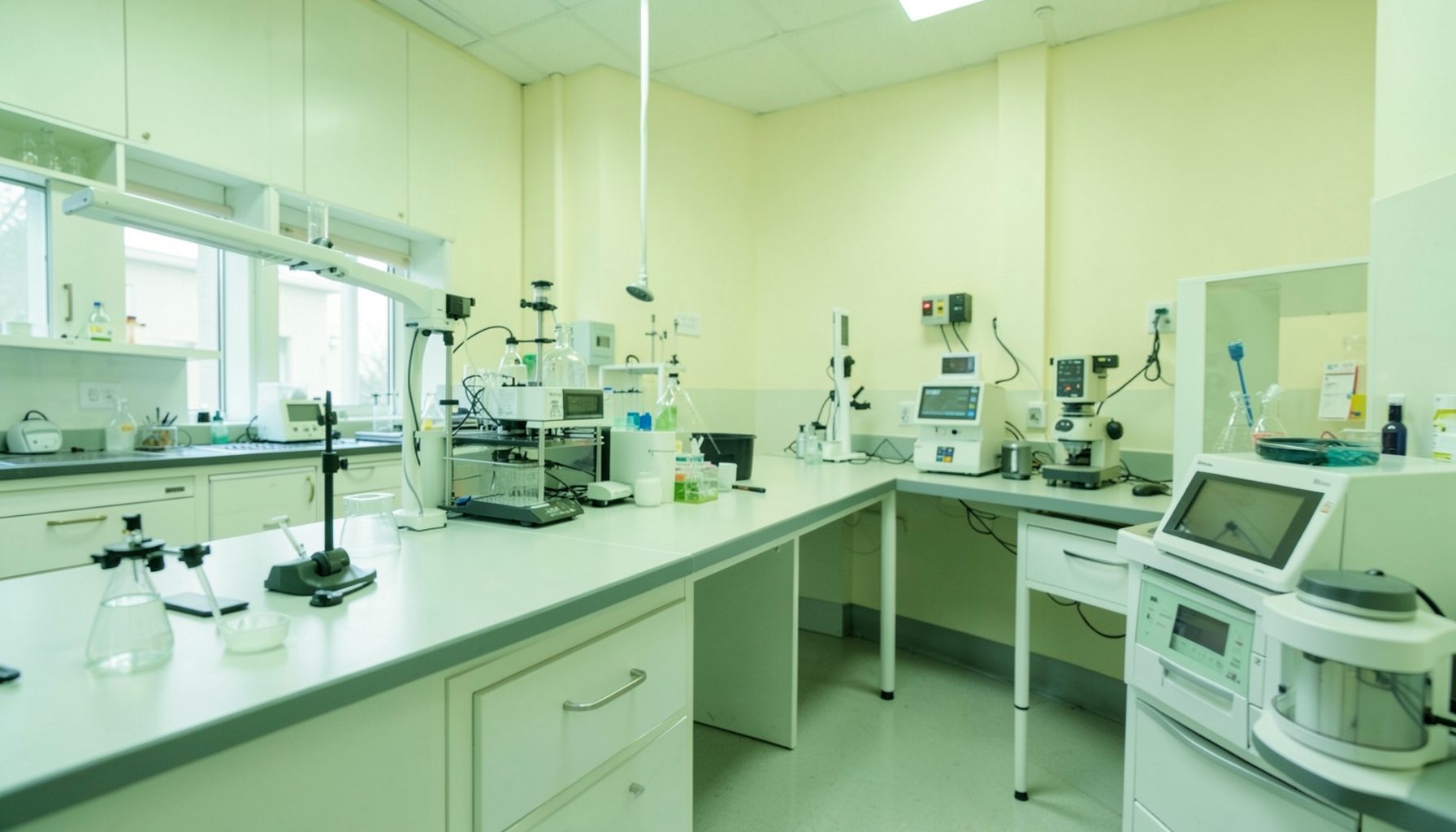
Creating a lab safety inspection checklist tailored for TB facilities
A tuberculosis laboratory needs a safety inspection process that reflects its actual hazards, workflow, and level of containment. A generic laboratory checklist may cover fire exits, personal protective equipment, and chemical storage, yet miss the controls that matter most when staff handle infectious respiratory specimens or perform procedures that can generate aerosols.
An effective inspection checklist turns broad safety expectations into observable points. It helps an assessor verify whether controls are present, used correctly, maintained, and understood by personnel. It also creates consistent evidence for follow-up, training, management review, and continual improvement.
The checklist should be practical for the facility using it. A well-resourced reference laboratory and a peripheral site with limited equipment will not inspect safety in exactly the same way. Both, however, can use a structured approach to identify risks, document gaps, and assign achievable corrective actions.
Start with the facility’s real risks
Begin by mapping the laboratory’s activities from specimen receipt to result reporting and waste disposal. Identify where staff open sputum containers, prepare smears, conduct rapid molecular testing, culture organisms, clean work areas, package specimens, or decontaminate equipment. Each activity can introduce different exposure, contamination, or operational risks.
The inspection should distinguish between hazards caused by infectious material and those created by the process itself. Centrifugation, vortexing, pipetting, flame use, disinfectant preparation, sharps handling, and poor ventilation may increase risk even when staff follow standard procedures. Include support areas such as reception, storage, changing rooms, autoclave spaces, and waste holding points.
Ask what could go wrong, how serious the outcome would be, and whether current controls are reliable. This risk-based starting point prevents the checklist from becoming a routine search for missing signs. It also helps the laboratory focus attention on activities that could expose workers, contaminate specimens, or release infectious material.
Set the scope and inspection rhythm
Define who will inspect, what areas will be covered, and how often each type of review will occur. A full safety inspection might take place quarterly, while high-risk work areas can receive shorter monthly checks. Supervisors may also perform daily observations of critical practices, such as use of respiratory protection or correct operation of a biological safety cabinet.
Use several evidence sources rather than relying on visual checks alone. Inspectors should observe work, review records, speak with personnel, and sample equipment or supplies. For example, a cabinet may appear clean while its certification is overdue, or a spill kit may be present but missing the disinfectant required by the laboratory’s procedure.
Assign responsibility before the inspection begins. A safety officer, quality manager, section head, or trained peer assessor can lead the review, but technical staff should contribute because they understand the workflow. For laboratories building their quality system, the Phase 1 guidance provides a useful starting point for establishing basic practices and identifying priorities.
Connect inspection points to quality essentials
A strong checklist should fit within the laboratory’s wider quality management system. Safety is closely linked with facilities and safety, personnel, equipment, purchasing and inventory, process management, documents and records, assessment, and continual improvement. Organizing inspection points around these relationships makes findings easier to manage.
Each item should be written as a clear, verifiable statement. “Safety is adequate” is too vague to assess. “The biological safety cabinet has a current certification label and the certificate is available for review” gives the inspector something specific to verify and gives the laboratory a clear standard for correction.
Include fields for compliance status, objective evidence, risk rating, responsible person, due date, and follow-up status. A simple response such as “yes,” “no,” or “not applicable” may be useful, but it should be supported by notes. The record should show whether a gap is isolated, recurring, or caused by a wider system problem.
| Inspection area | What to verify | Useful evidence | Typical response |
|---|---|---|---|
| Engineering controls | Biological safety cabinets, ventilation, sinks, and barriers function as intended | Certification records, maintenance logs, direct observation | Compliant, deficient, or unavailable |
| Work practices | Staff follow procedures for opening, mixing, centrifuging, and transferring specimens | Observation, interviews, competency records | Compliant or practice gap |
| Personal protection | Respirators, gloves, gowns, and eye protection are suitable, available, and used correctly | Stock records, fit-testing records, observation | Compliant or supply/use gap |
| Decontamination | Disinfectants, contact times, spill response, and waste treatment match approved procedures | Labels, logs, spill kits, waste records | Compliant or corrective action needed |
| Documentation | Current SOPs, training records, incident reports, and inspection forms are controlled | Document review and revision history | Current, outdated, or missing |
| Emergency readiness | Staff know what to do after spills, exposures, power loss, or equipment failure | Drills, interviews, emergency contacts, incident files | Ready or needs reinforcement |
Inspect critical controls in practice
For TB facilities, the checklist should pay close attention to aerosol control. Verify that procedures likely to generate aerosols are performed inside an appropriate biological safety cabinet or with another validated control. Observe whether cabinet users keep the front and rear grilles clear, minimize unnecessary movement, and allow the cabinet to operate as specified by the manufacturer.
Respiratory protection requires more than having masks in a cupboard. Check whether the selected respirator is appropriate, whether fit testing or fit checking is addressed, and whether staff know when it must be worn. Inspect storage, replacement, cleaning, and disposal arrangements. If respirators are unavailable or uncomfortable, personnel may silently adopt unsafe workarounds.
Centrifuges deserve specific attention. Check rotor and bucket condition, load balancing, lid security, maintenance, and procedures for handling a suspected breakage. The checklist should also verify that staff know how long to wait before opening a centrifuge after a breakage and where the spill response instructions are located.
Review specimen transport and storage as part of the same process. Containers should be leak resistant, correctly labeled, and placed in secondary containment when required. Refrigerators and freezers used for specimens should be identified, monitored, and restricted from food storage. Waste routes should limit contact with clean areas and provide safe handling from the point of generation to final treatment.
Include people, supplies, and emergency readiness
Personnel competence is a safety control. Inspection points should confirm that staff receive orientation before starting work, complete role-specific training, and demonstrate competence at appropriate intervals. Include temporary staff, students, cleaners, couriers, and maintenance workers when their activities bring them into contact with laboratory hazards.
The checklist should examine whether essential supplies are consistently available. Gloves, gowns, disinfectants, sharps containers, spill materials, respiratory protection, and labels need defined minimum stock levels. A written procedure cannot protect workers if the required materials are routinely out of stock or stored far from the point of use.
Emergency preparedness should be tested rather than assumed. Verify accessible contact information, first-aid supplies, exposure reporting routes, eyewash facilities where relevant, fire equipment, evacuation paths, and procedures for power interruptions. Interviews or short drills can reveal whether staff understand their responsibilities under pressure.
Use the results to prioritize action according to risk, not convenience. The corrective action guidance can help laboratories decide which findings require immediate control, interim mitigation, management escalation, or longer-term investment.
Make findings actionable
An inspection has limited value if it produces a long list without ownership or deadlines. Record the condition observed, the associated hazard, the immediate containment step, and the underlying cause. “No gloves available” describes a symptom; “stock monitoring does not include minimum levels or a designated purchaser” points toward a system correction.
Use a consistent rating method that the whole laboratory understands. For example, critical findings may involve an immediate risk of exposure or release, major findings may weaken an important control, and minor findings may concern a documentation or housekeeping issue with limited immediate risk. Define response times for each category.
Practical follow-up actions may include:
- Stop or modify a hazardous activity until a safe control is restored.
- Provide targeted retraining and repeat competency assessment.
- Repair, certify, or replace equipment that provides an essential containment function.
- Update an outdated SOP and verify that staff use the revised version.
- Review recurring findings during management or quality meetings.
Corrective actions should include verification of effectiveness. After a cabinet is repaired, confirm certification and observe its use. After retraining, assess performance rather than merely collecting attendance signatures. Trends from repeated inspections can indicate whether the laboratory needs a resource change, workflow redesign, or stronger supervisory practice.
Keep the checklist current and useful
A checklist should change when the laboratory changes. Revise it after introducing a new test, moving equipment, changing disinfectants, modifying room arrangements, receiving an incident report, or identifying a recurring nonconformity. Keep the current version controlled and remove obsolete copies from work areas.
Review the checklist with the people who use it. Their feedback can identify unclear wording, duplicate items, unrealistic requirements, or hazards that the original author overlooked. Laboratories can also share feedback with the GLI Quality Tool team to support the continued development of practical quality resources.
Use inspection data as part of routine quality review. Track overdue actions, repeated deficiencies, incidents, training gaps, equipment failures, and differences between laboratory sections. A concise monthly summary can help leaders direct scarce resources toward controls with the greatest effect on worker safety and reliable TB testing.
Download or adapt a suitable checklist, then test it during a supervised inspection in one area before applying it across the facility. Train inspectors, document evidence carefully, assign risk-based actions, and schedule verification. With regular use, the checklist becomes more than an audit form: it becomes a working tool for safer practice, stronger quality management, and sustained protection of TB laboratory personnel.