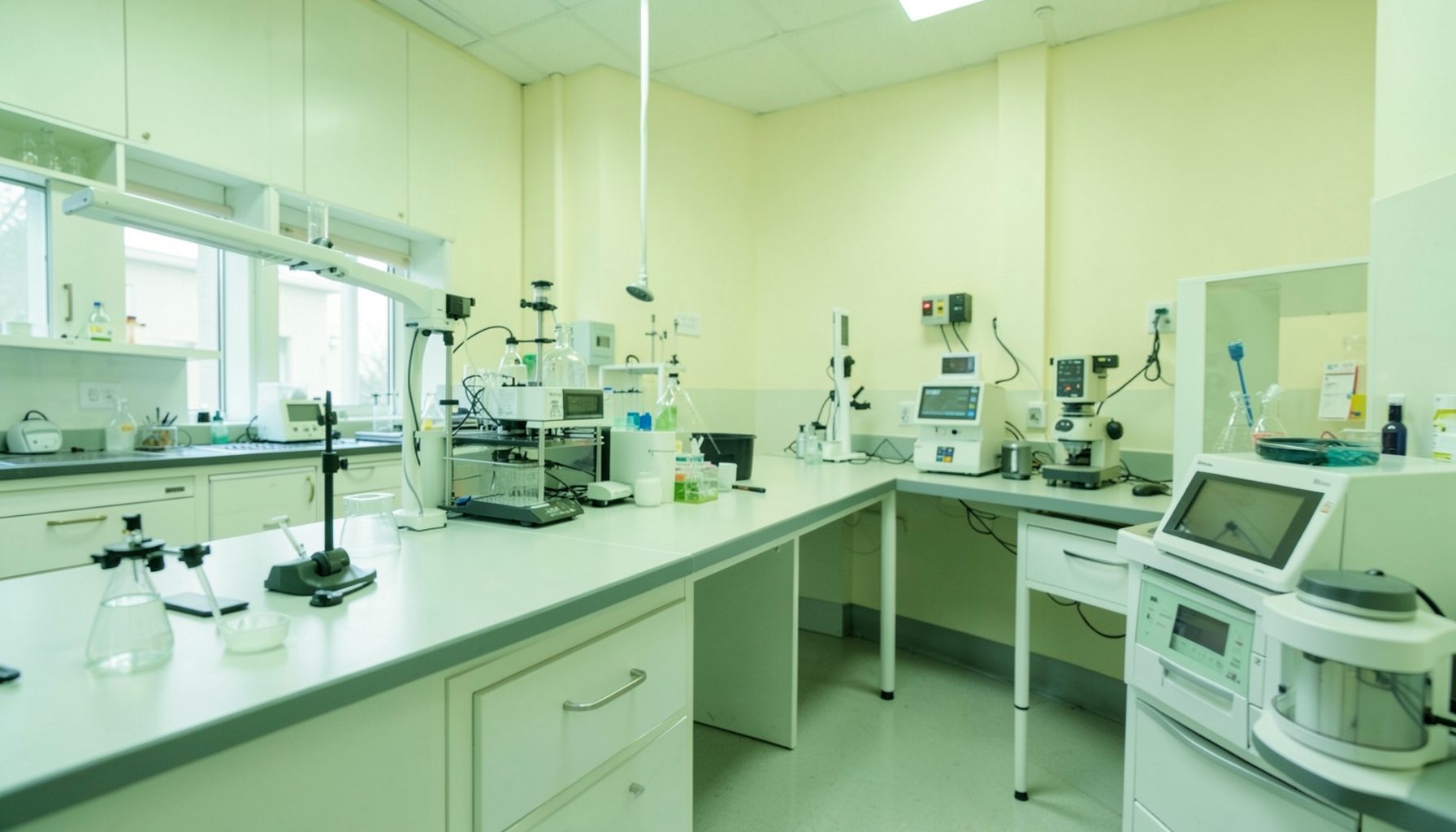
Safe Pipetting Aids And Good Practice In TB Laboratories
Pipetting aids help tuberculosis laboratory staff transfer specimens, reagents and controls accurately while reducing hand strain and exposure to infectious aerosols. They include manual pipette controllers, electronic pipette aids, adjustable micropipettes, positive-displacement devices and disposable serological pipettes. Selecting the right tool matters because a device suited to a clear buffer may perform poorly with a viscous respiratory specimen.
Good pipetting practice is part of a wider laboratory quality management system. Equipment, personnel, safety, documentation, process control and continual improvement all affect the reliability of results. The GLI Quality Tool provides a practical roadmap for laboratories developing these systems across different levels of available resources.
Australian laboratories may work in large services in Sydney, Melbourne, Brisbane or Perth, as well as small facilities supporting remote communities in Western Australia, the Northern Territory and Queensland. Procedures therefore need to be clear enough for consistent use across shifts, sites and transport conditions, while remaining realistic about staffing, procurement and maintenance.
Choosing The Right Pipetting Aid
Match the pipetting aid to the volume, liquid properties and containment requirements of the task. A pipette controller with a sterile serological pipette is useful for larger volumes, while an adjustable air-displacement pipette is generally suitable for smaller aliquots of relatively low-viscosity liquids. Positive-displacement pipettes can offer better performance with viscous, volatile or difficult-to-pipette materials.
Choose equipment that staff can safely operate inside the biological safety cabinet without obstructing airflow or causing awkward posture. Electronic pipette aids may reduce thumb fatigue during repetitive work, but they require charging, battery replacement and a maintenance process. In the Australian market, laboratories can usually source controllers, filter tips and calibration services through established scientific suppliers, yet remote services should plan lead times and backup stock carefully.
Use only tips and consumables compatible with the pipette model. Aerosol-resistant filter tips are valuable when handling material that could contaminate the shaft or barrel. A tip that is loose, distorted or difficult to eject should be discarded rather than forced into service.
Preparing For Safe TB Work
Before starting, check that the work area, biological safety cabinet and required materials are ready. Confirm that the pipette aid is clean, within its service interval and free from cracks, residue or leakage. Inspect the serological pipette packaging and expiry date, and ensure that waste containers and disinfectant are positioned so staff do not need to reach across open specimens.
TB laboratory procedures must follow the facility’s biosafety risk assessment, approved standard operating procedures and Australian work health and safety requirements. Mouth pipetting is never acceptable. Avoid rapid aspiration, forceful dispensing and actions that create splashes or aerosols. Keep containers as closed as the procedure permits, and perform manipulations involving potentially infectious material within the appropriate containment equipment.
Specimen movement can also affect quality. For laboratories monitoring collection from distant clinics or hospitals, a specimen transport log can record dispatch time, receipt time, temperature concerns, packaging issues and corrective actions. This is especially useful when samples travel long distances from regional Queensland or the Northern Territory.
Using Aids With Accuracy
Hold the pipette vertically when aspirating, and keep the tip at the correct depth below the liquid surface. Press the plunger smoothly rather than snapping it down. For an air-displacement pipette, pre-wetting the tip can improve consistency with some aqueous liquids, while viscous materials may require slower aspiration and dispensing according to the manufacturer’s instructions.
Use the correct pipette mode and volume range. A pipette should not routinely be used at the extreme end of its capacity when a better-sized instrument is available. Dispense against the vessel wall when appropriate, pause briefly to allow liquid to leave the tip, and use the second stop only when the procedure requires a blow-out. Do not blow out a pipette designed for a free-draining technique.
Change tips between specimens, controls and reagents whenever carryover could affect the result. Keep the tip below the liquid surface during aspiration without touching the container wall or sediment. If the tip contacts an unintended surface, becomes blocked or forms an air bubble, stop and replace it according to the SOP rather than trying to rescue the transfer.
Avoiding Contamination And Exposure
A clean technique protects both staff and test validity. Organise materials from clean to potentially contaminated areas, and avoid returning a used pipette aid or controller to a clean bench without appropriate decontamination. Keep racks stable and tubes clearly identified so that a rushed movement does not lead to a spill or specimen mix-up.
Filter tips reduce the chance that liquid or aerosol enters the pipette shaft, but they do not replace cabinet use, hand hygiene or surface disinfection. Do not immerse the tip too deeply, aspirate aggressively or repeatedly expel liquid against a hard surface. These actions can create droplets and may also damage the tip seal.
If contamination or a spill occurs, pause the procedure, secure the area and follow the laboratory exposure and spill response procedure. Record the event, identify affected specimens and assess whether testing must be repeated. A brief incident record can reveal patterns such as unsuitable tip sizes, crowded workspaces or inadequate staff training.
Building Checks Into Routine Work
Daily checks should include the pipette body, seals, tip cone, ejector, controller tubing and battery or charger. Look for unusual resistance, dripping, inconsistent aspiration or a plunger that does not return smoothly. Staff should label equipment that is faulty and remove it from use until an authorised person assesses it.
Calibration and performance verification should be scheduled according to risk, manufacturer recommendations, use frequency and the laboratory’s quality plan. A gravimetric check may be appropriate for selected adjustable pipettes, while service providers can perform formal calibration and repairs. Keep certificates, service reports and verification results accessible rather than relying on an informal reminder.
Record lot numbers for critical tips and reagents when required by the method. If a new brand is introduced, verify fit, recovery, accuracy and contamination control before routine use. This matters when procurement changes because of Australian supply shortages, budget cycles or a move from a metropolitan supplier to a regional distributor.
Training And Competency
Training should cover the purpose and limitations of each pipetting aid, correct grip and posture, aspiration and dispensing technique, tip changes, decontamination, waste handling and response to errors. Demonstration followed by supervised practice is more effective than giving staff a manual alone. Include examples using the liquids and containers found in the TB workflow.
Competency assessment can include observation, a short written check, volume verification and review of contamination-control behaviour. Assess new staff before independent work and repeat the assessment after a long absence, equipment change or identified error trend. Document the assessor, date, device, method and outcome.
A practical system should support staff working across different Australian settings. A metropolitan reference laboratory may have a dedicated equipment officer, while a remote service may rely on a trained senior scientist and scheduled visits from a supplier. Clear escalation contacts, spare consumables and simple troubleshooting instructions help maintain safe practice when specialist support is not immediately available.
Recommendations For Daily Practice
Use the following points as a quick reminder beside the pipetting station:
- Select an aid and tip combination suited to the volume, viscosity and containment risk.
- Inspect the device before use and remove leaking, damaged or overdue equipment from service.
- Work smoothly inside the appropriate biological safety cabinet and avoid actions that generate aerosols.
- Change tips between specimens or reagents whenever carryover is possible.
- Record faults, spills, corrective actions, calibration and competency checks in the quality system.
These actions should be reflected in local SOPs rather than treated as informal advice. The SOP should state which aids are approved, which tips are compatible, how equipment is cleaned, when calibration is required and who may authorise a return to service.
Pipetting performance should also be reviewed during internal audits, incident investigations and management meetings. Repeated errors may indicate a training gap, unsuitable equipment or a workflow problem rather than individual carelessness.
A pipetting aid is one part of a controlled testing process. Use the QMS build guide to connect equipment control and staff competency with the wider requirements for documentation, assessment and continual improvement.
Adopt these practices in the next review of your TB laboratory SOPs, then observe a real workflow, check the equipment records and assess staff competency. Consistent pipetting, documented maintenance and prompt correction of errors will help Australian laboratories protect workers, preserve specimens and produce dependable results across metropolitan, regional and remote services.